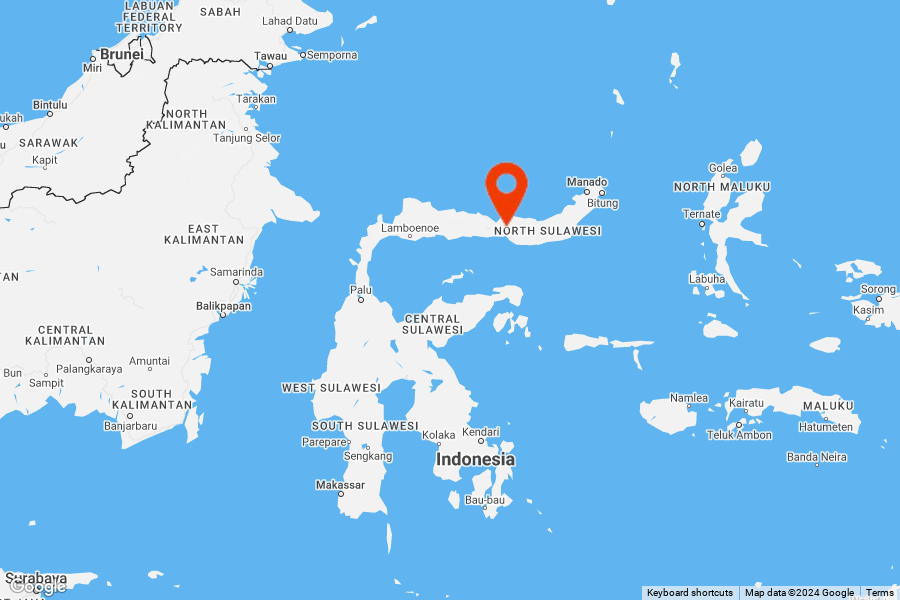
0.5375, 123.0625
Gorontalo
Nestled on the mountainous northern peninsula of Sulawesi, Indonesia, Gorontalo sits where the Sulawesi Sea meets the Gulf of Tomini, forming part of one of the most biodiverse marine regions on Earth.
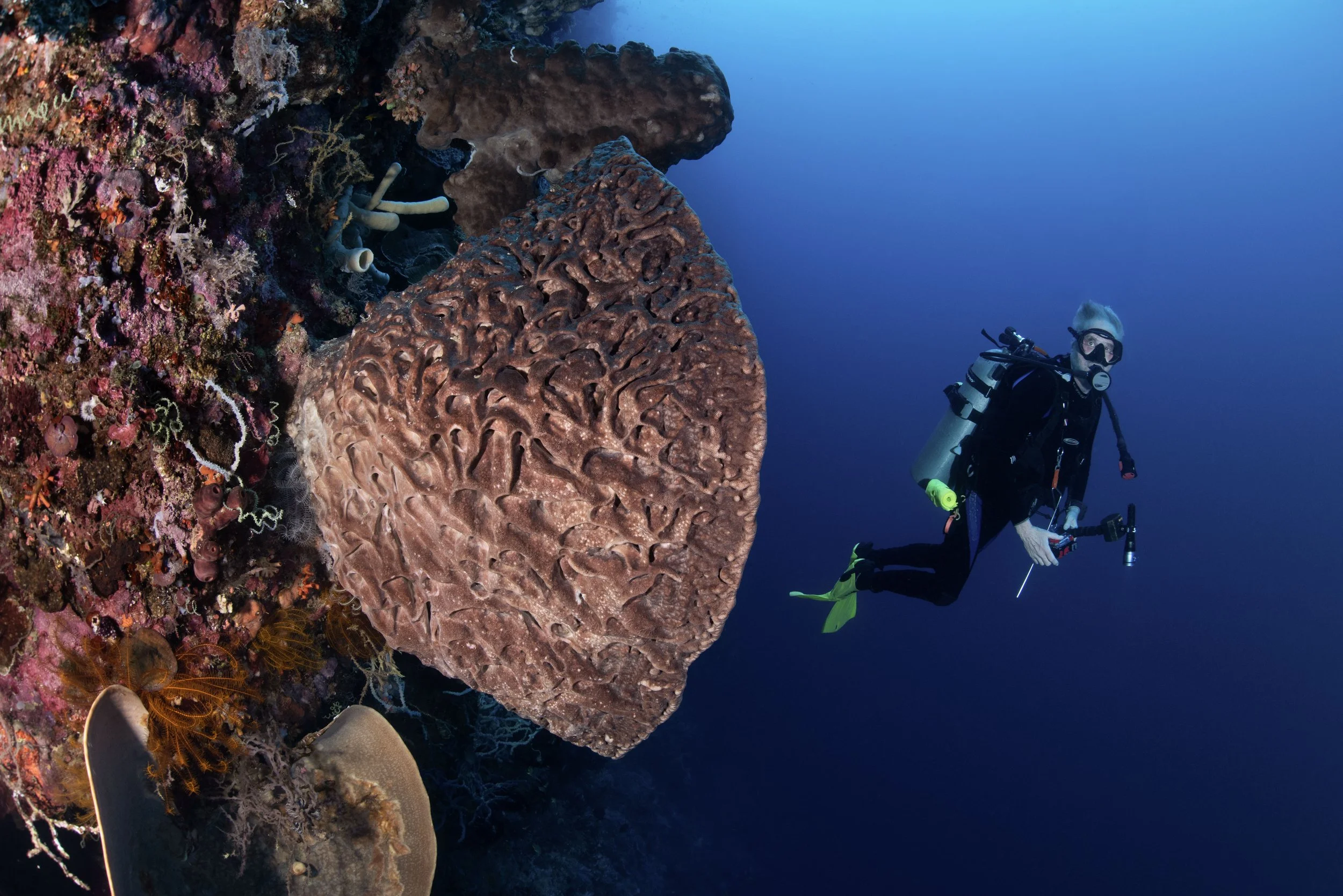
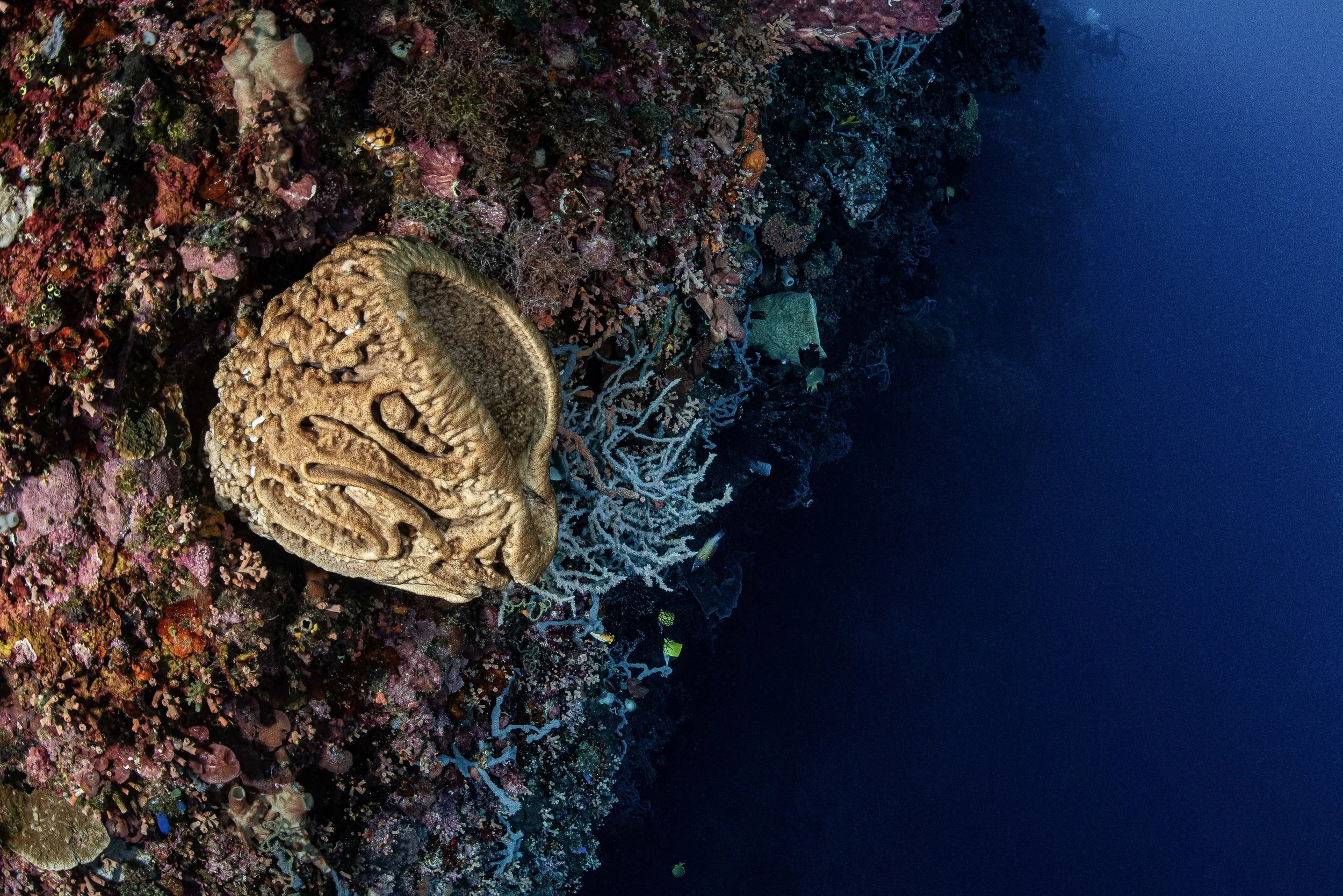
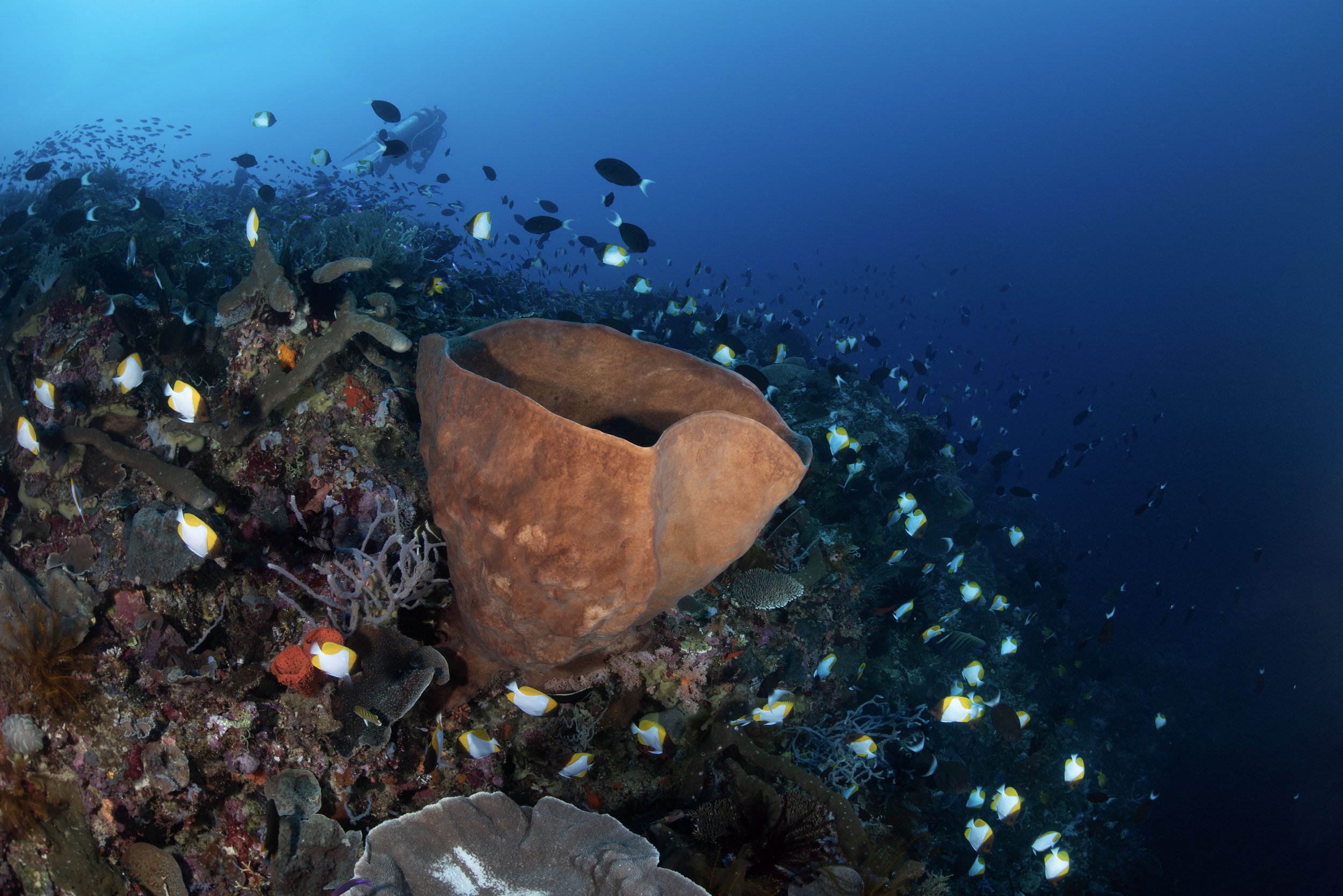
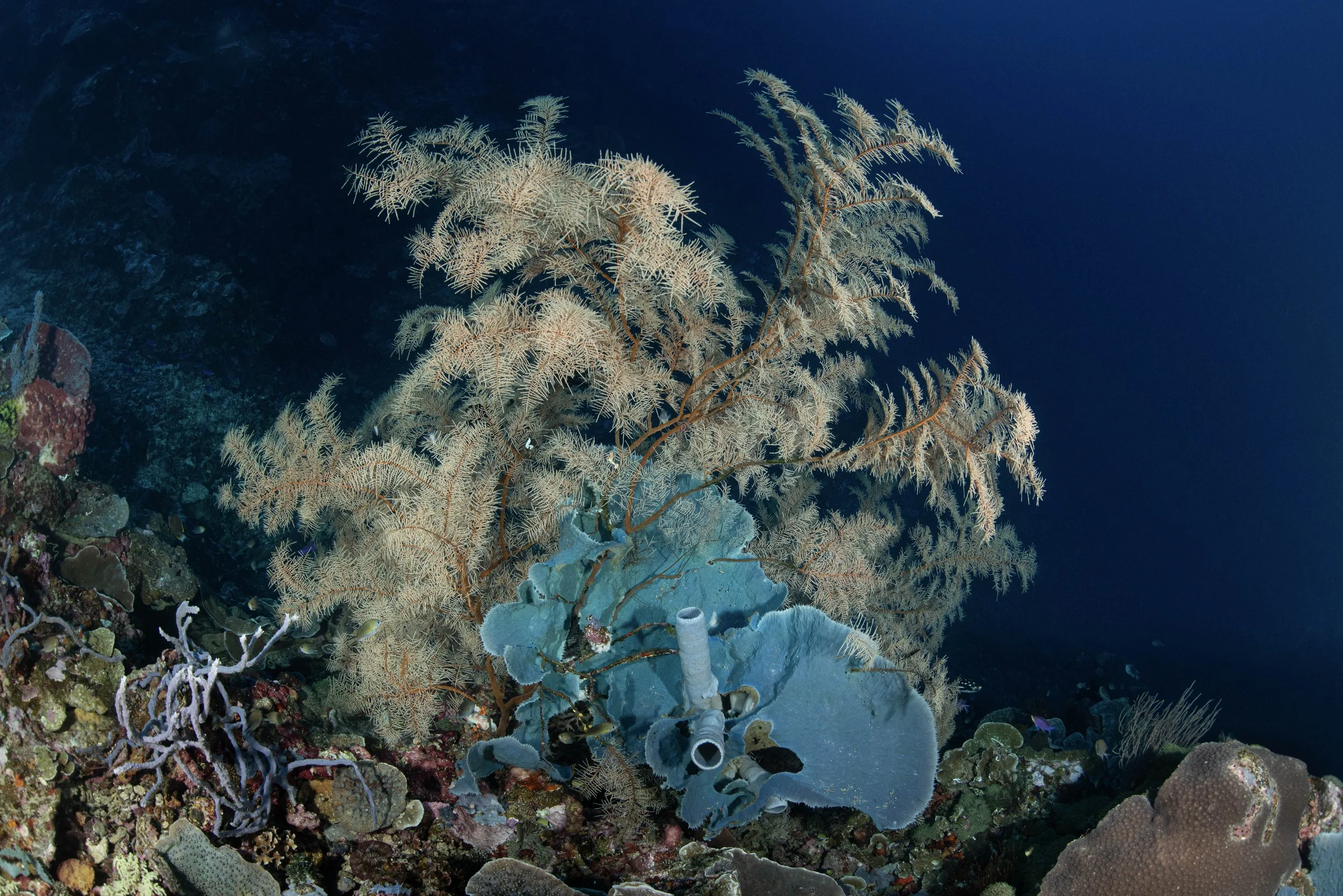
This stretch of coastline and its surrounding ocean are characterized by dramatic vertical walls, steep drop-offs, nutrient-rich currents. Towering limestone cliffs rise from the water's surface above you; beneath, the same geology continues in a vertical plunge into the abyss. Sponges of every shape and colour colonise the wall.
The steep submarine topography acts as a natural barrier, keeping destructive fishing methods away from the reefs.
The reefs here shelter more than 500 species of hard, reef-building corals. For context, the entire Caribbean hosts fewer than fifty.
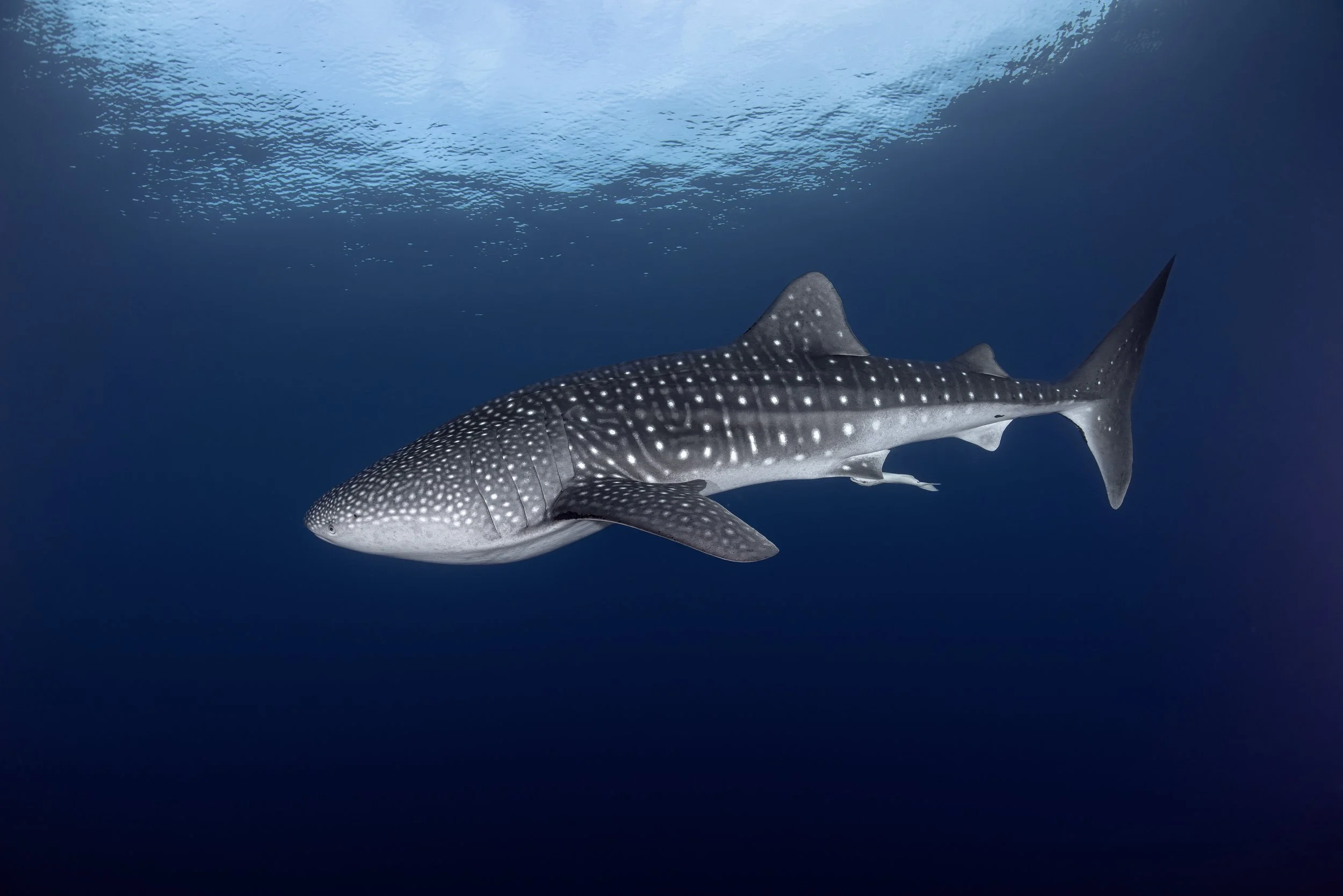
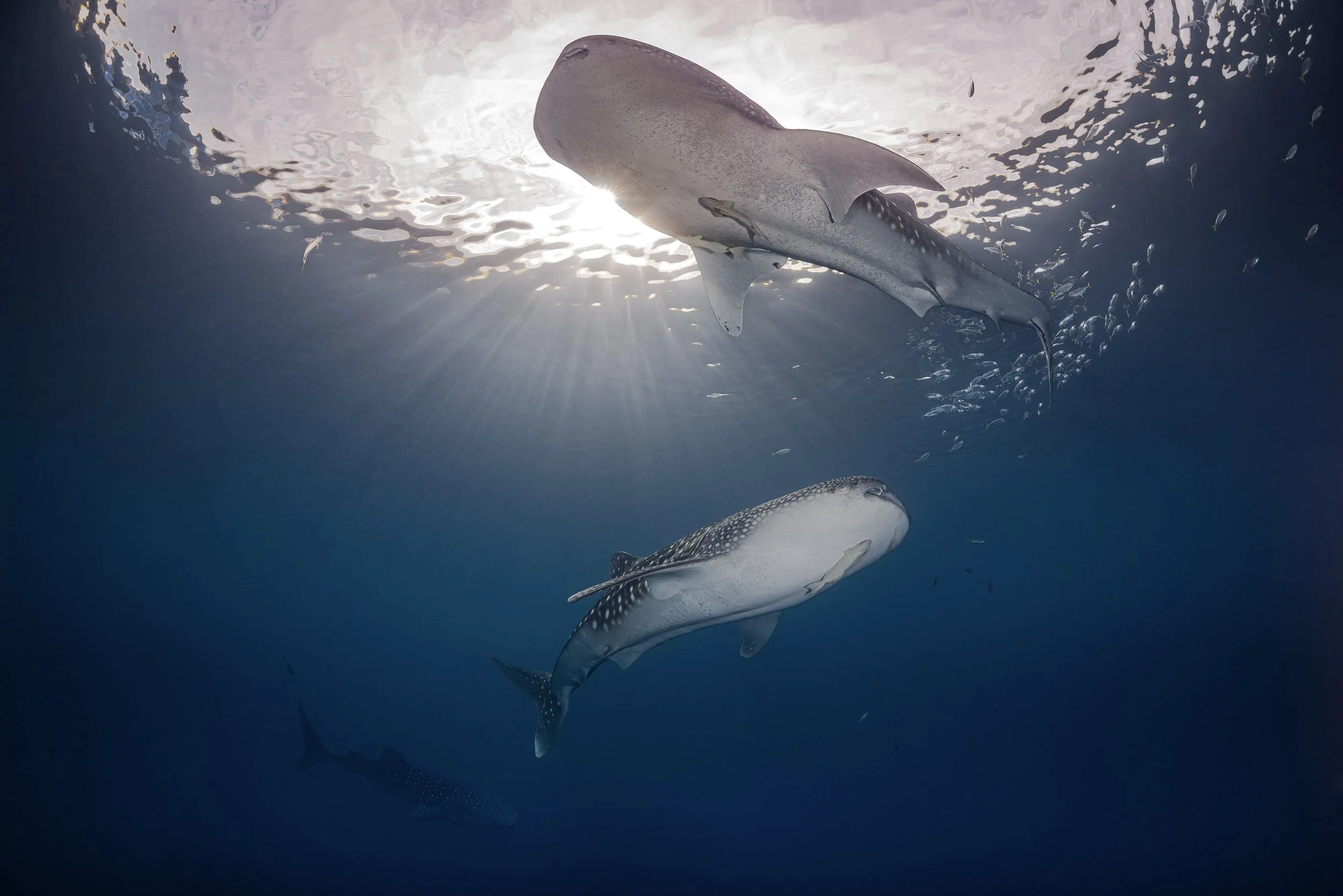
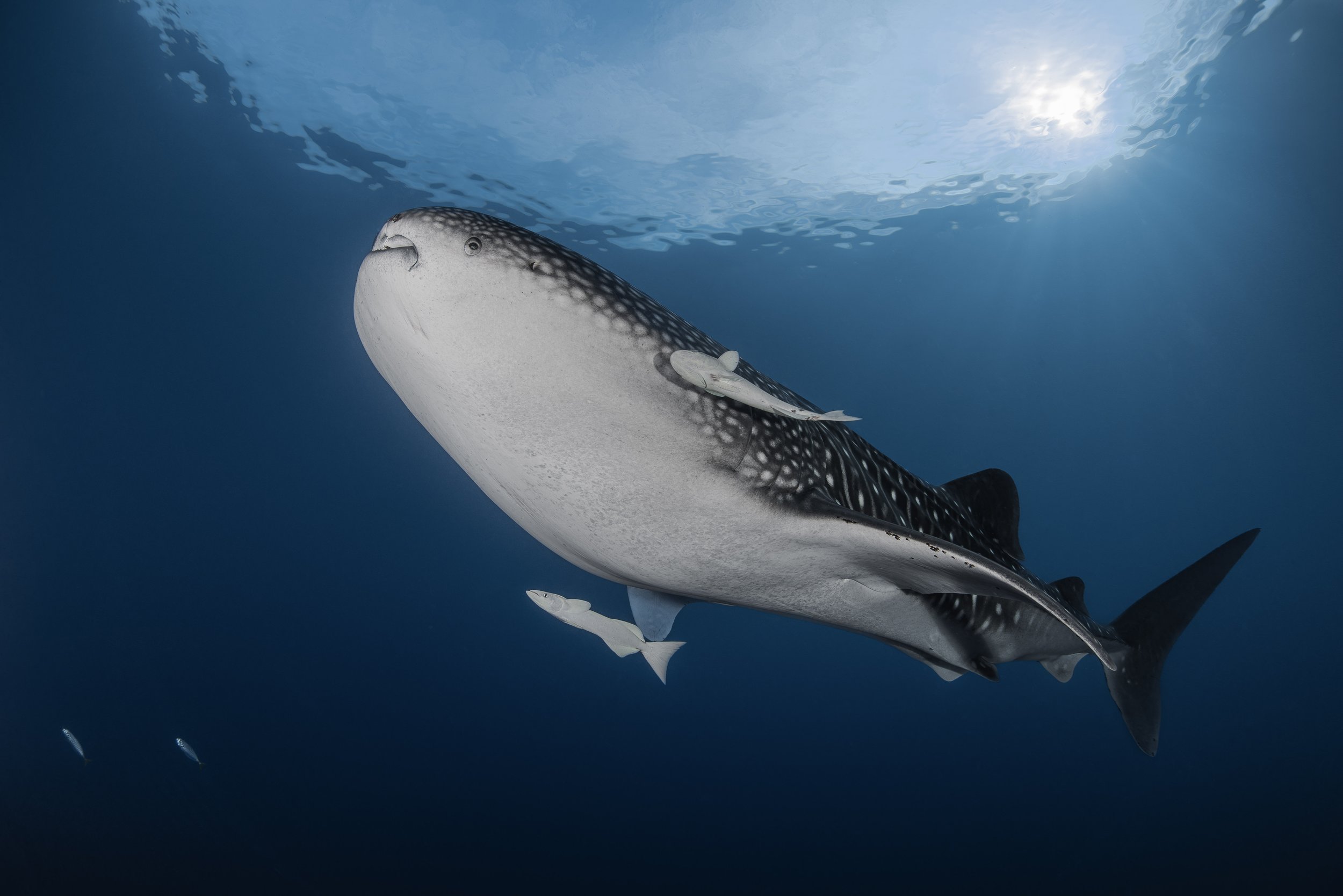
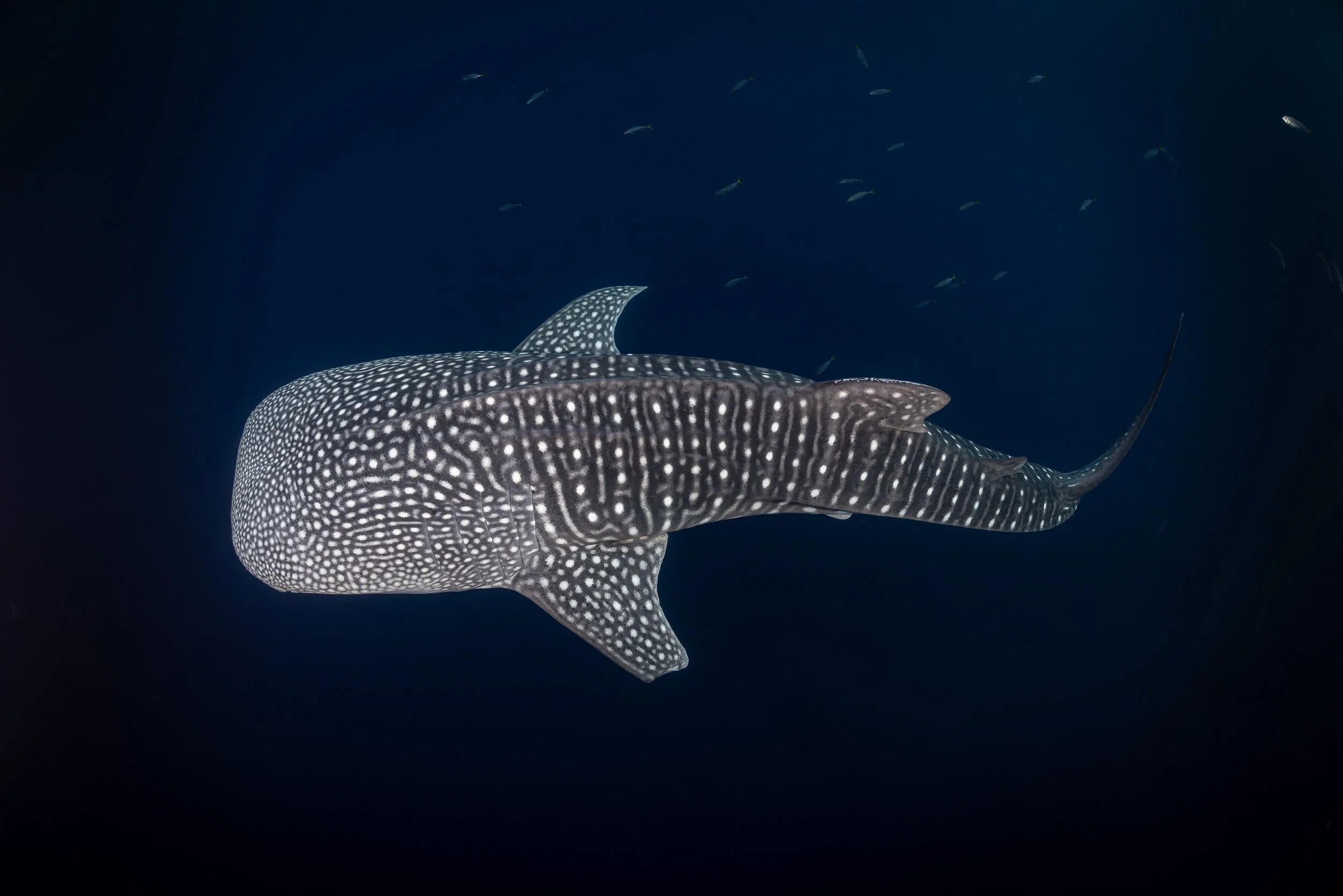
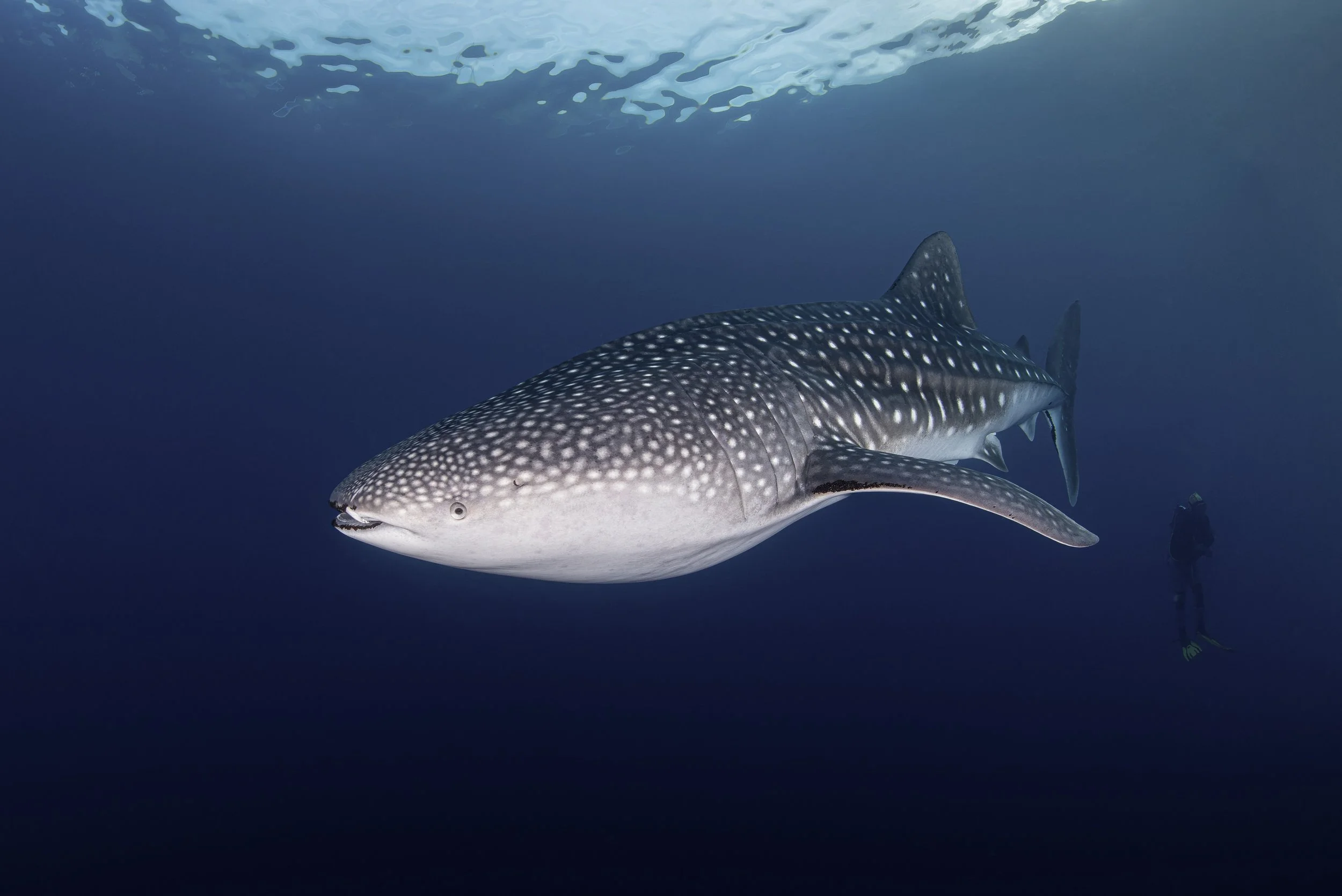
The Botubarani Whale Shark Reserve, ten kilometers north of Gorontalo is one of a few places in the world where divers and snorkellers can encounter whale sharks — the largest fish on Earth. These gentle, filter-feeding giants are drawn by the plankton-rich upwellings that the deep bay generates. When the plankton blooms, the whale sharks follow. They come as close as 25 meters to the shore.
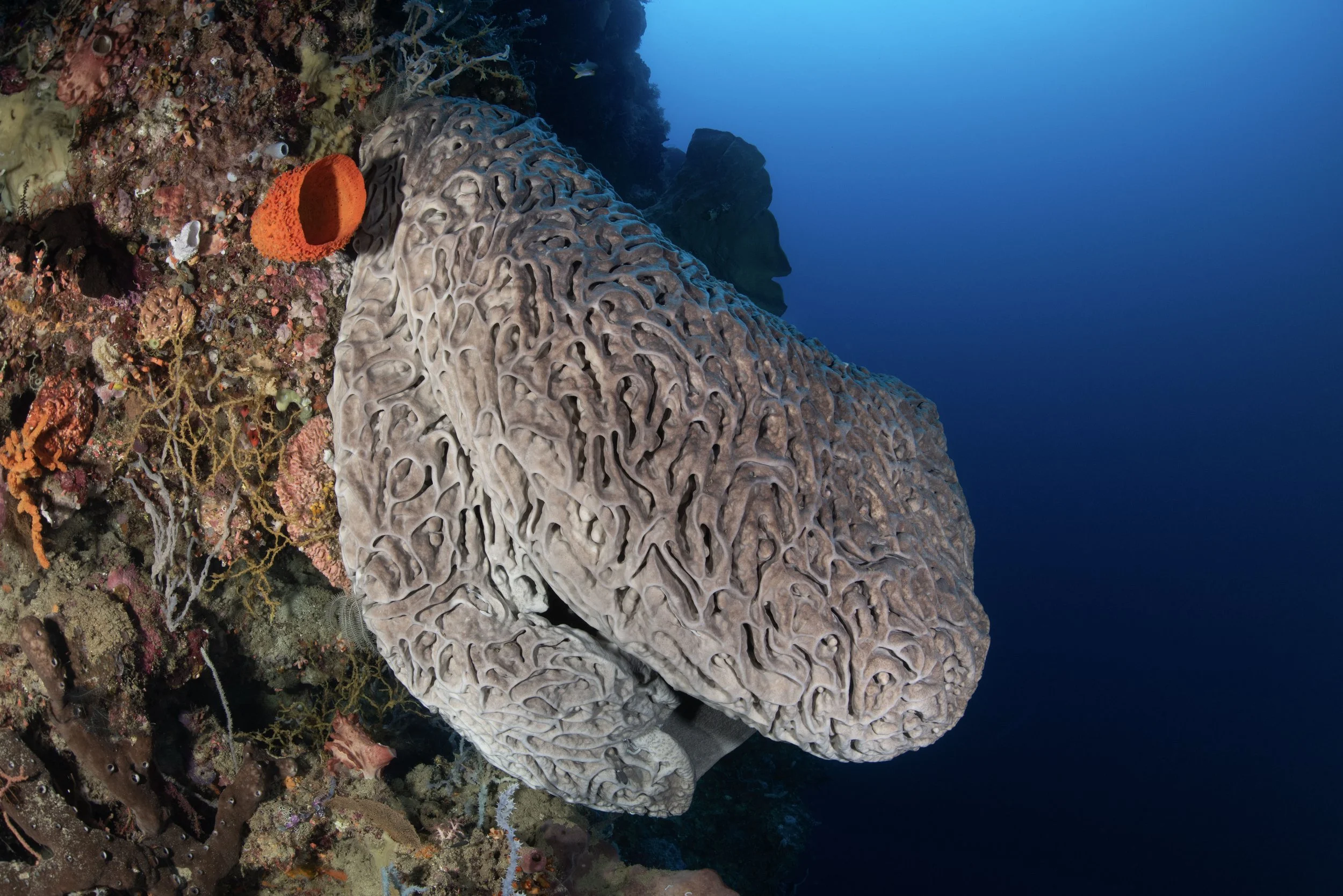
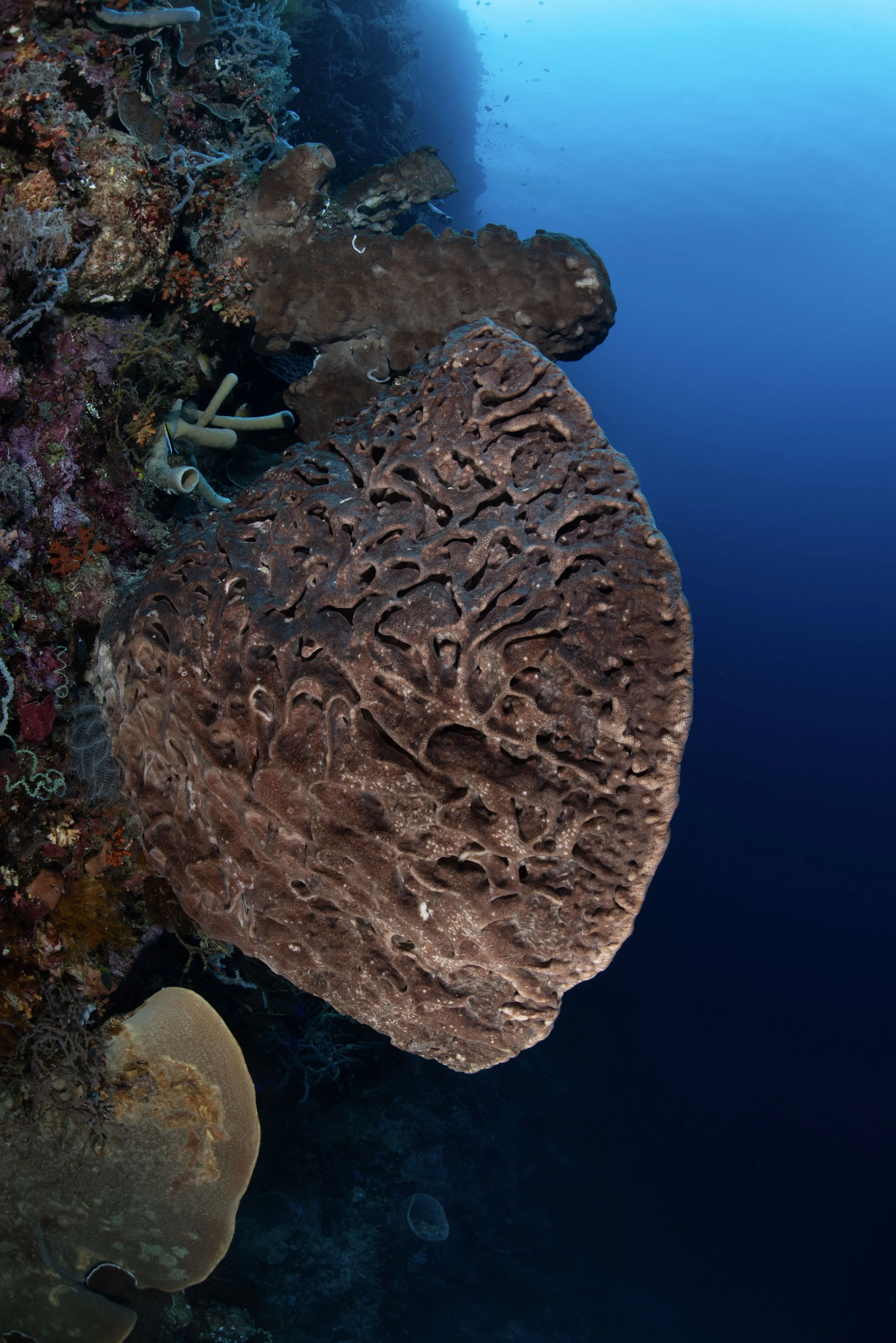
Of all the wonders Gorontalo holds, none is more singular than the Salvador Dalí sponge. Scientifically known as Petrosia lignosa — a species found in Sulawesi and the Philippines — it grows here in a form observed nowhere else in any ocean. Deep swirling patterns, like something sculpted rather than grown, cover its surface in intricate, hypnotic relief.
They range from juvenile specimens just twenty centimetres long to gargantuan individuals exceeding three metres. Protruding defiantly from the cliff face into the current, they appear in two distinct colour forms: a deep, dark brown — sometimes carrying a green tint — and a pale, ghostly grey found in the shadows.
The sponge belongs to the phylum Porifera, one of the oldest animal lineages on Earth. Filter feeders with no digestive system, sponges draw nutrients from water passing through their porous bodies. In Gorontalo's deep, clean, plankton-rich water, Petrosia lignosa has evolved its extraordinary surface morphology.
The sponge is, quite simply, a living work of art — and the only gallery in which it hangs is thirty metres below the surface off a small city on the Sulawesi coast.