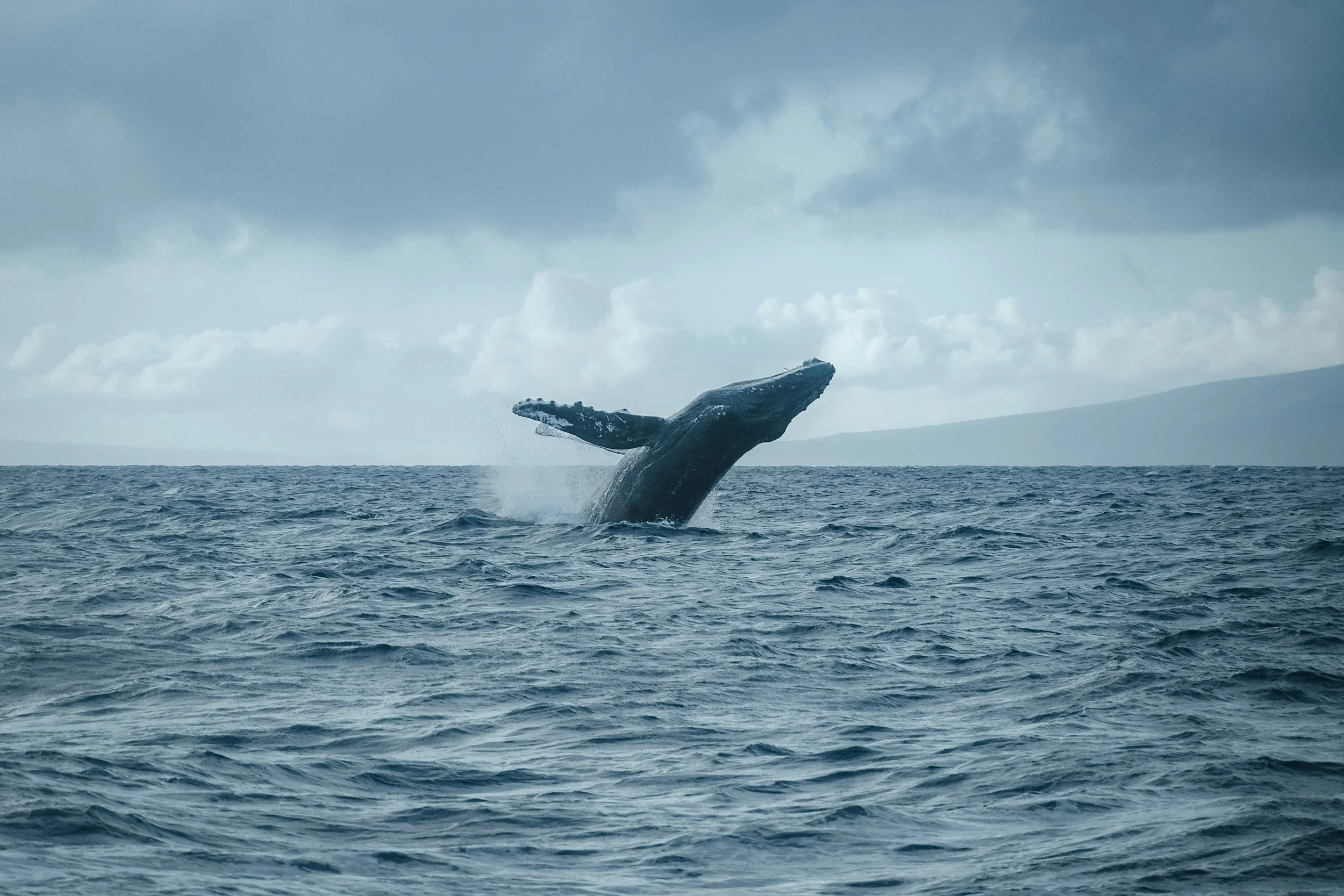
Gray Whales
Where dragons guard the shore and currents rule the deep.
Komodo National Park — a UNESCO World Heritage Site tucked between Sumbawa and Flores in East Nusa Tengara — is best known for its namesake lizard. But ask any diver, and they’ll tell you the real magic is underwater. Here, warm tropical seas meet powerful ocean currents, creating one of the richest marine ecosystems on the planet.
The park’s 29 islands are scattered across the strait like stepping stones, each hiding its own underwater secret. You could spend weeks here and never dive the same site twice.
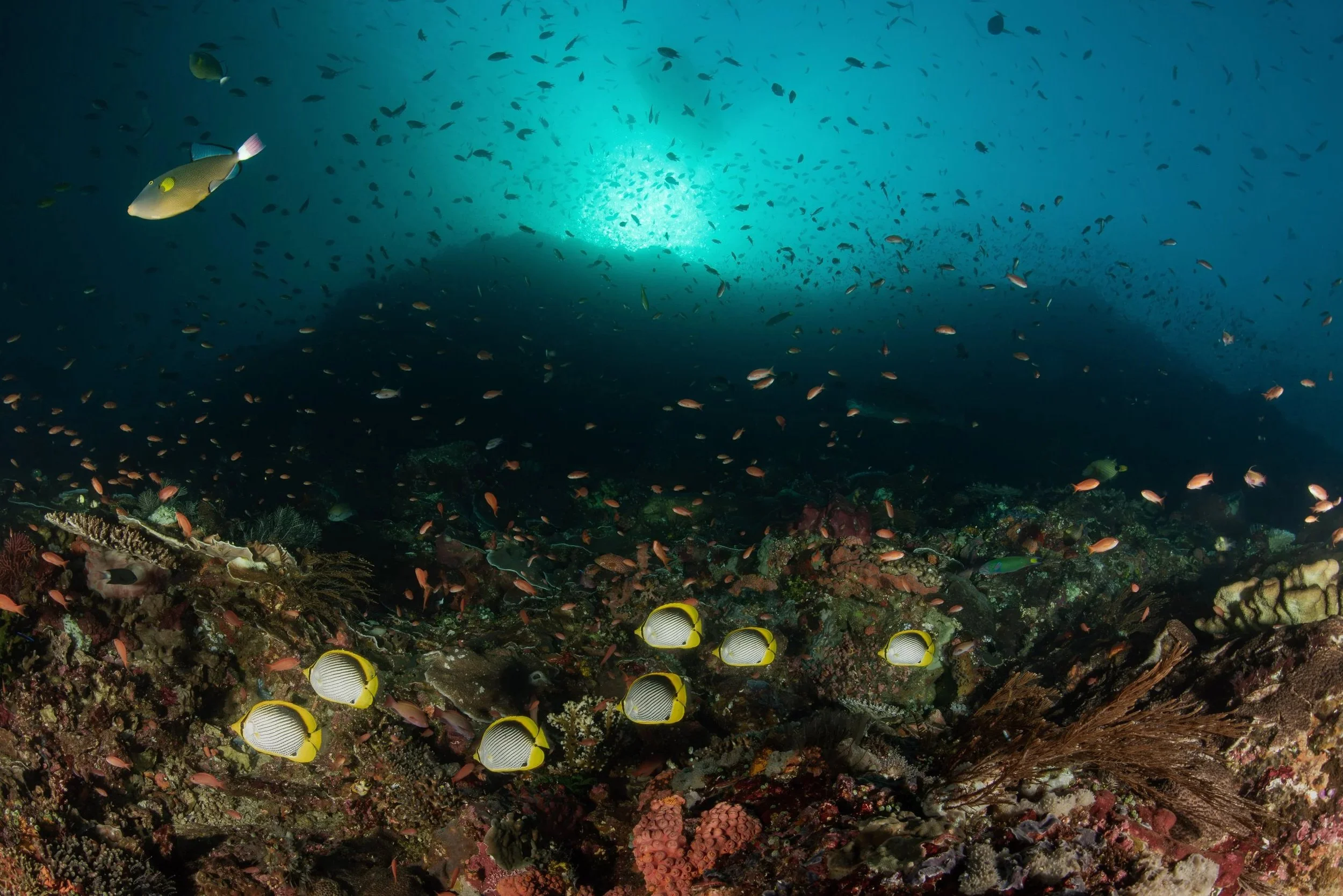
Descending into Komodo’s waters feels like slipping into another universe. The reef explodes with color — table corals the size of small cars, forests of sea fans, and clouds of orange anthias dancing in the blue.
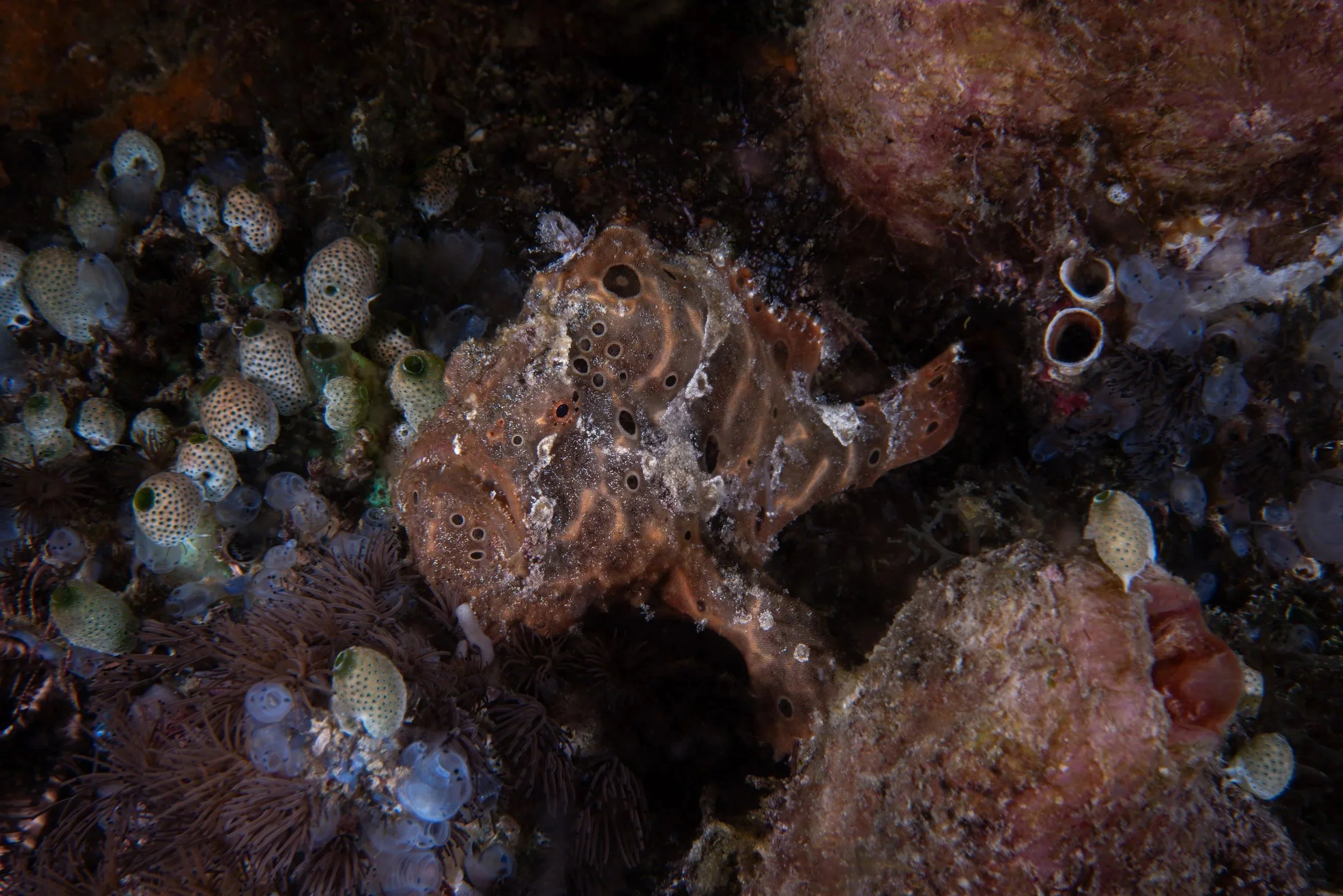
In the north, crystal-clear water reveals reef sharks patrolling the drop-offs, while schools of fusiliers shimmer in synchronized waves. In the south, cooler, nutrient-rich currents feed lush gardens of soft coral, where nudibranchs, frogfish, and pygmy seahorses thrive. And everywhere in between, there’s a chance for that sudden, heart-stopping moment when a manta ray glides into view.
Komodo’s beauty is born from movement. The tidal exchanges between the Pacific and Indian Oceans funnel through the park’s narrow straits, creating some of the strongest currents in the world. These currents bring the nutrients that fuel Komodo’s marine life, but they also demand respect.
Diving is best done on a Liveaboard dive ship. Dive day trips from Labuan Bajo cannot reach the dives sites further away.