-0.1752, 121.6055
Togian Islands
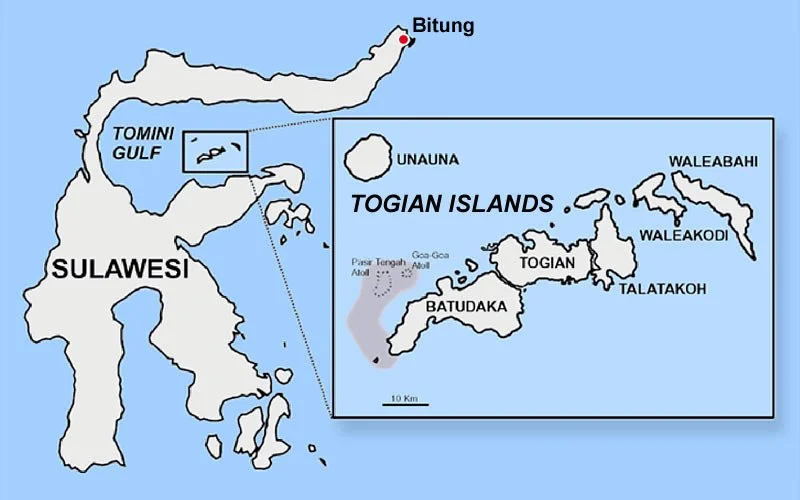
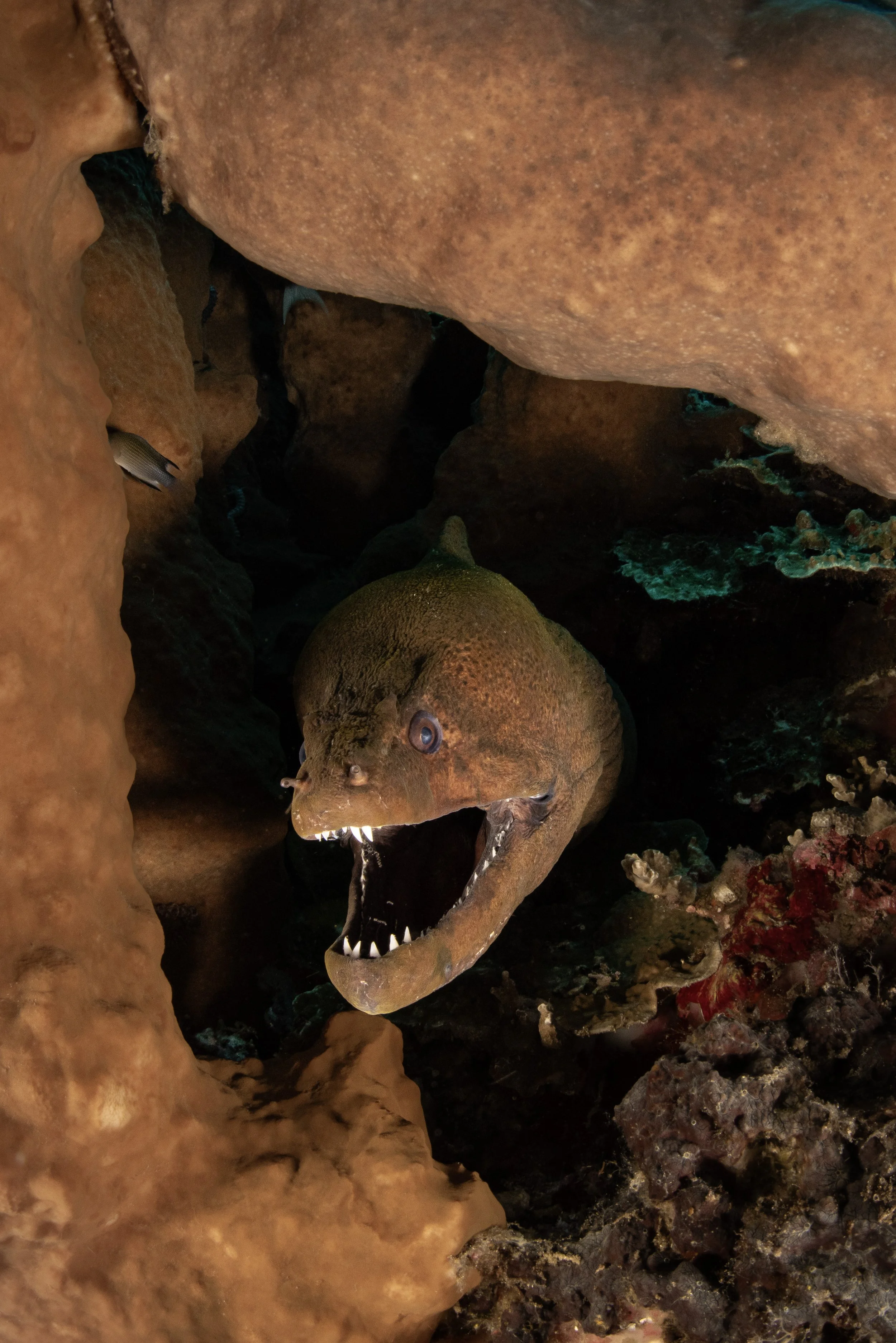
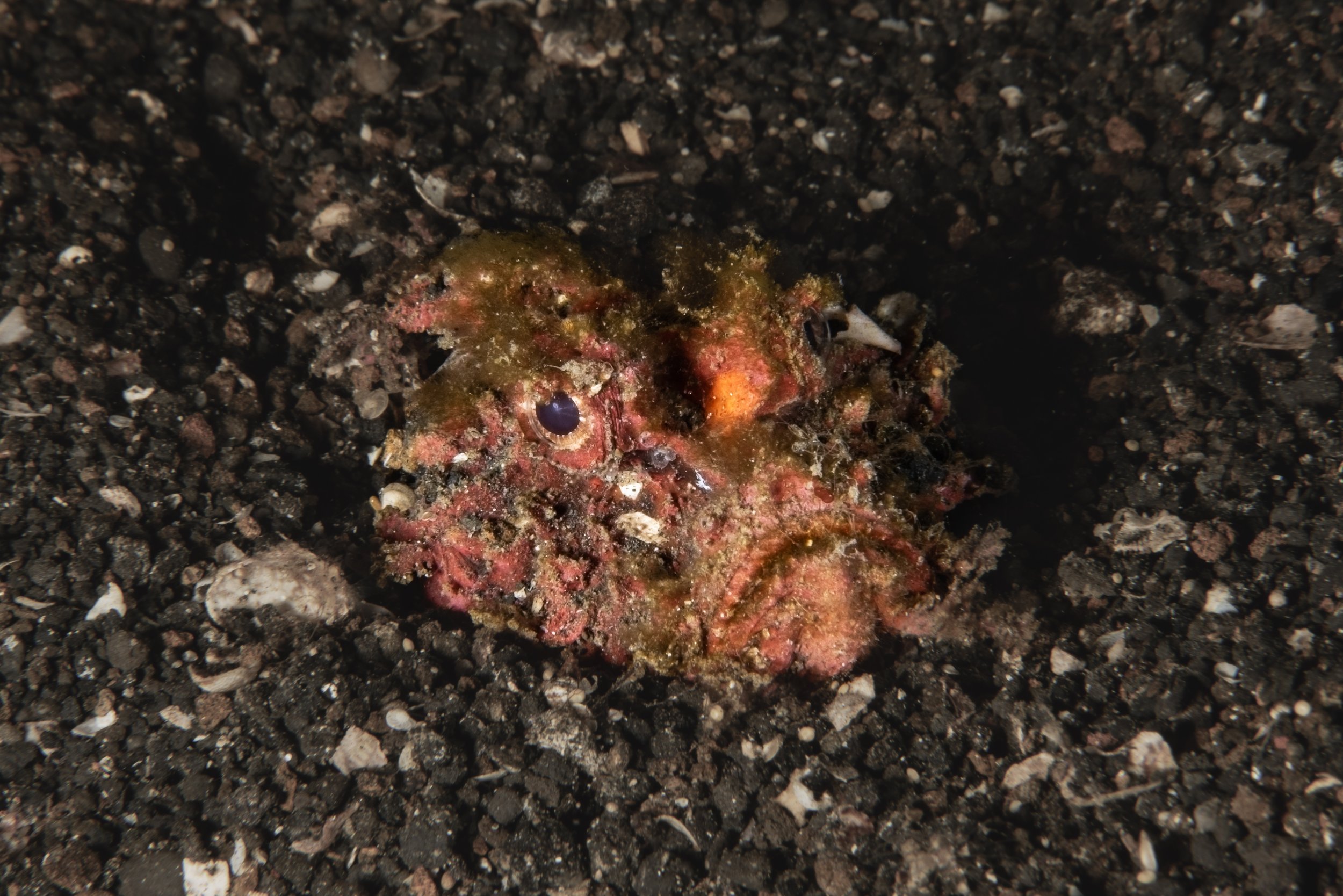
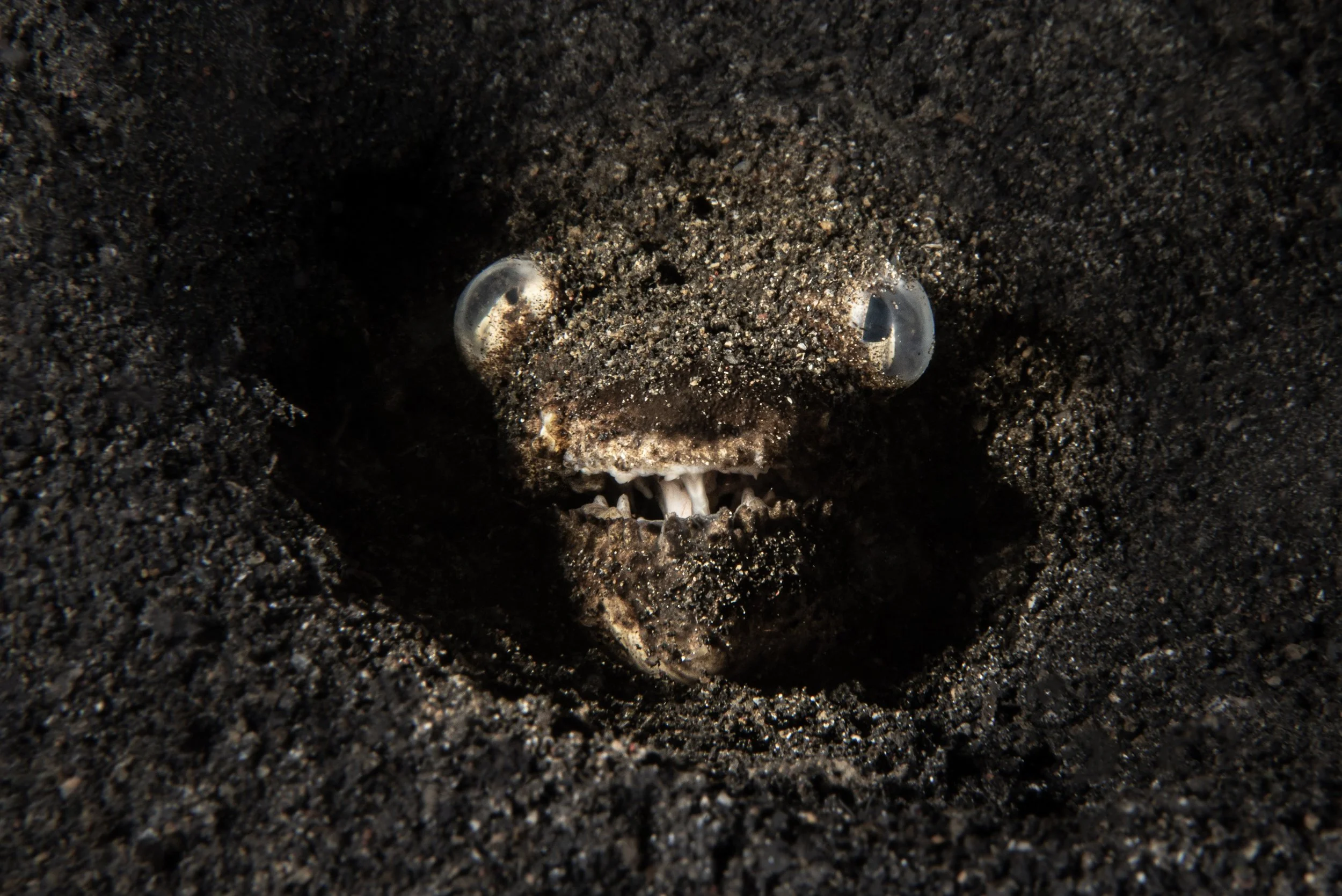
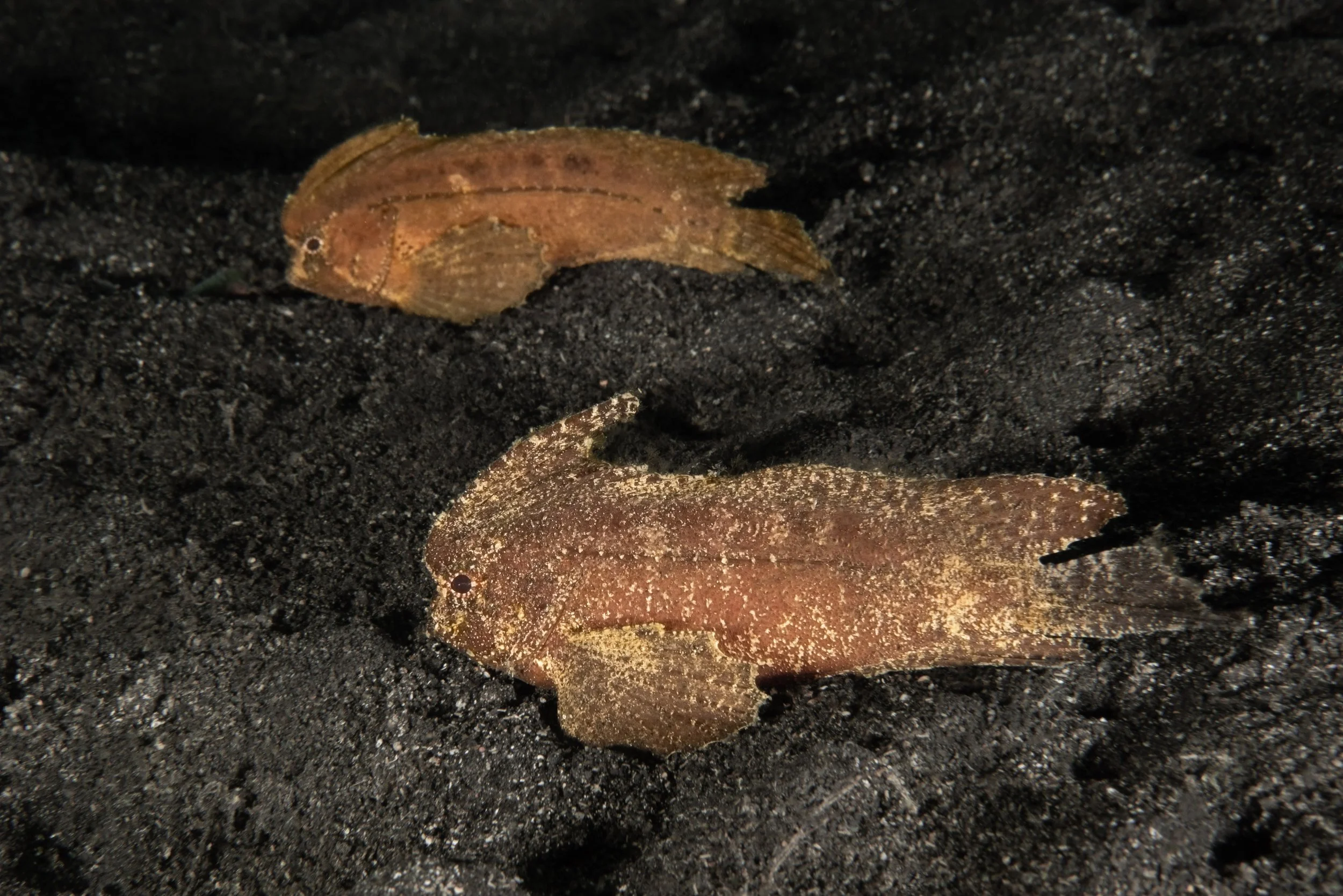
Tucked inside the vast and sheltered arc of Tomini Bay on the northern arm of Sulawesi, the Togian Islands form a remote archipelago of extraordinary biological richness. Because Tomini Bay is nearly enclosed, its waters are exceptionally calm and clear, with visibility regularly exceeding 30 metres.
Geographically, the Togians stretch roughly 100 kilometres east to west across the calm, landlocked waters of Tomini Bay, sitting almost exactly on the equator. The three principal island clusters — Walea Kodi, Walea Bahi, and the central Togian group anchored by the islands of Batudaka, Talatako, Togian, and Una-Una — encompass mangrove forests, white-sand beaches, and traditional Bajo sea-gypsy villages that appear to float directly on the water.
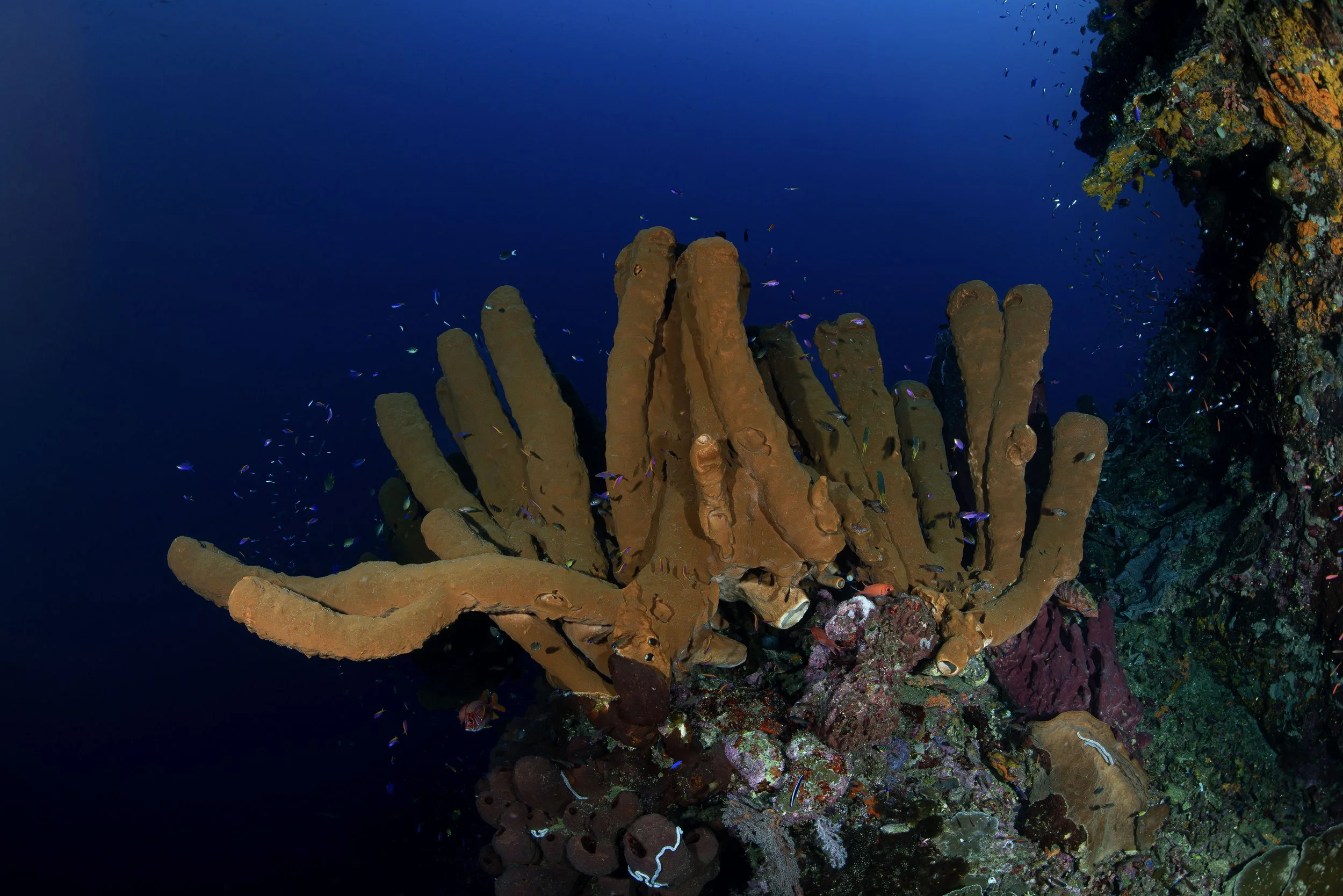
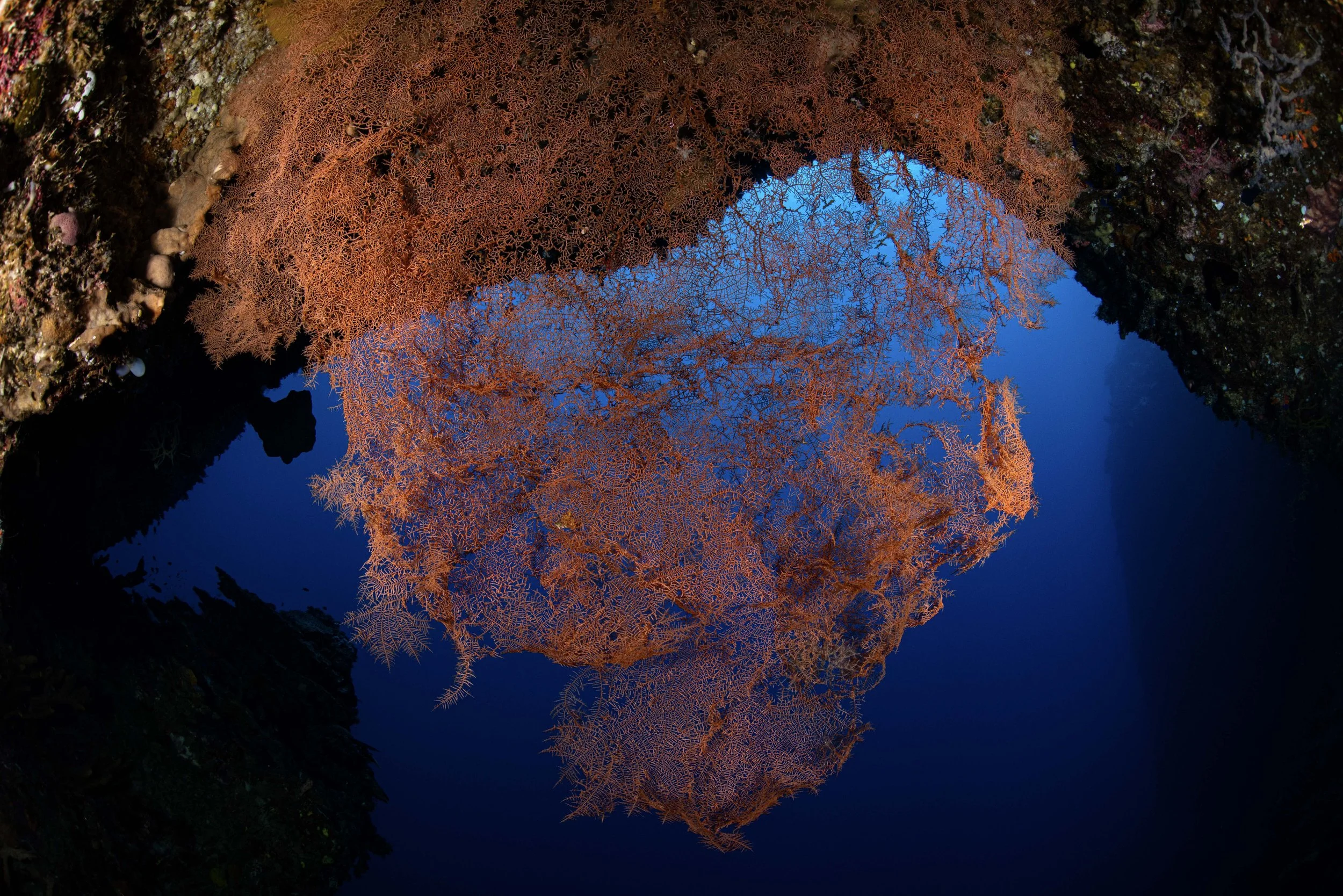
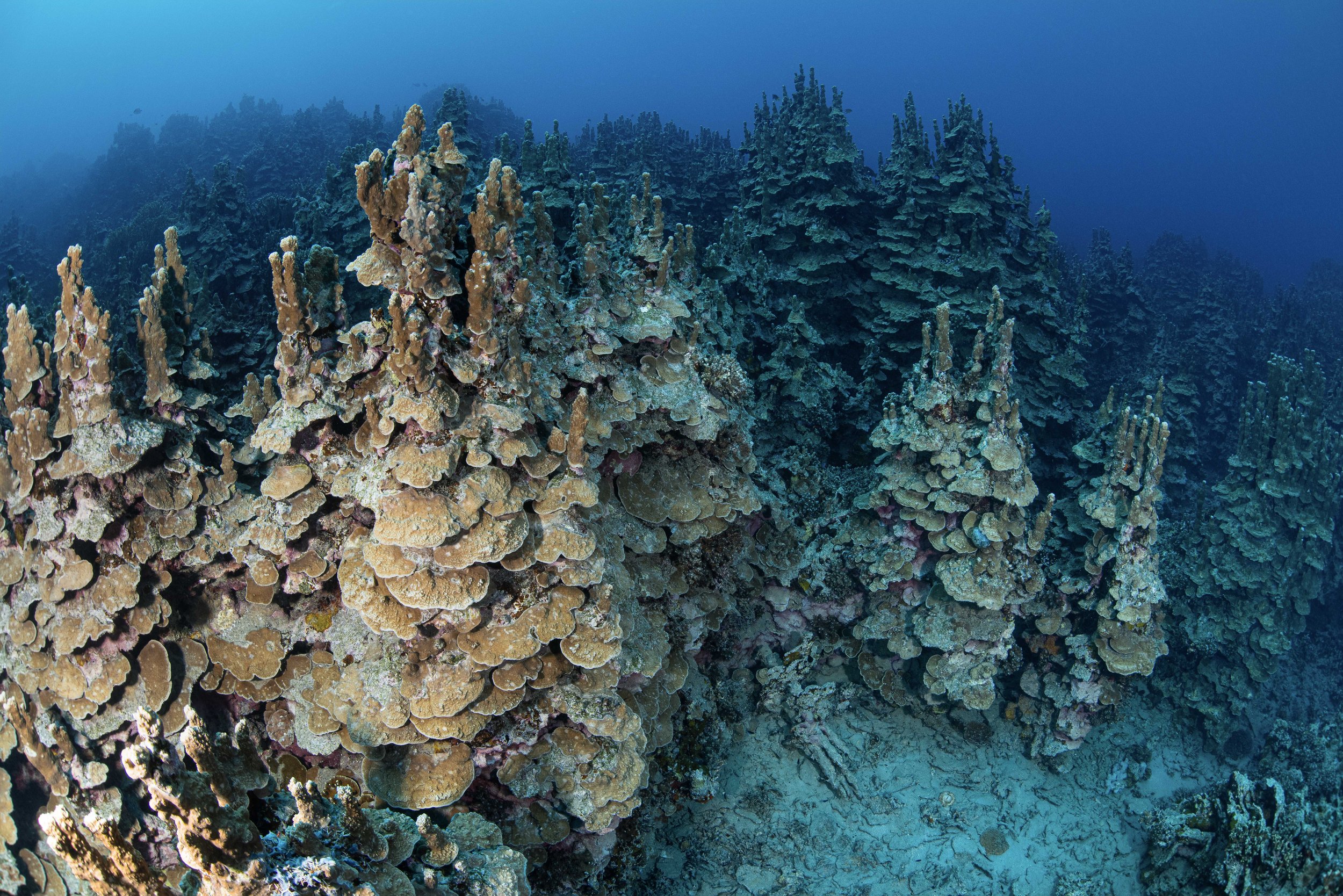
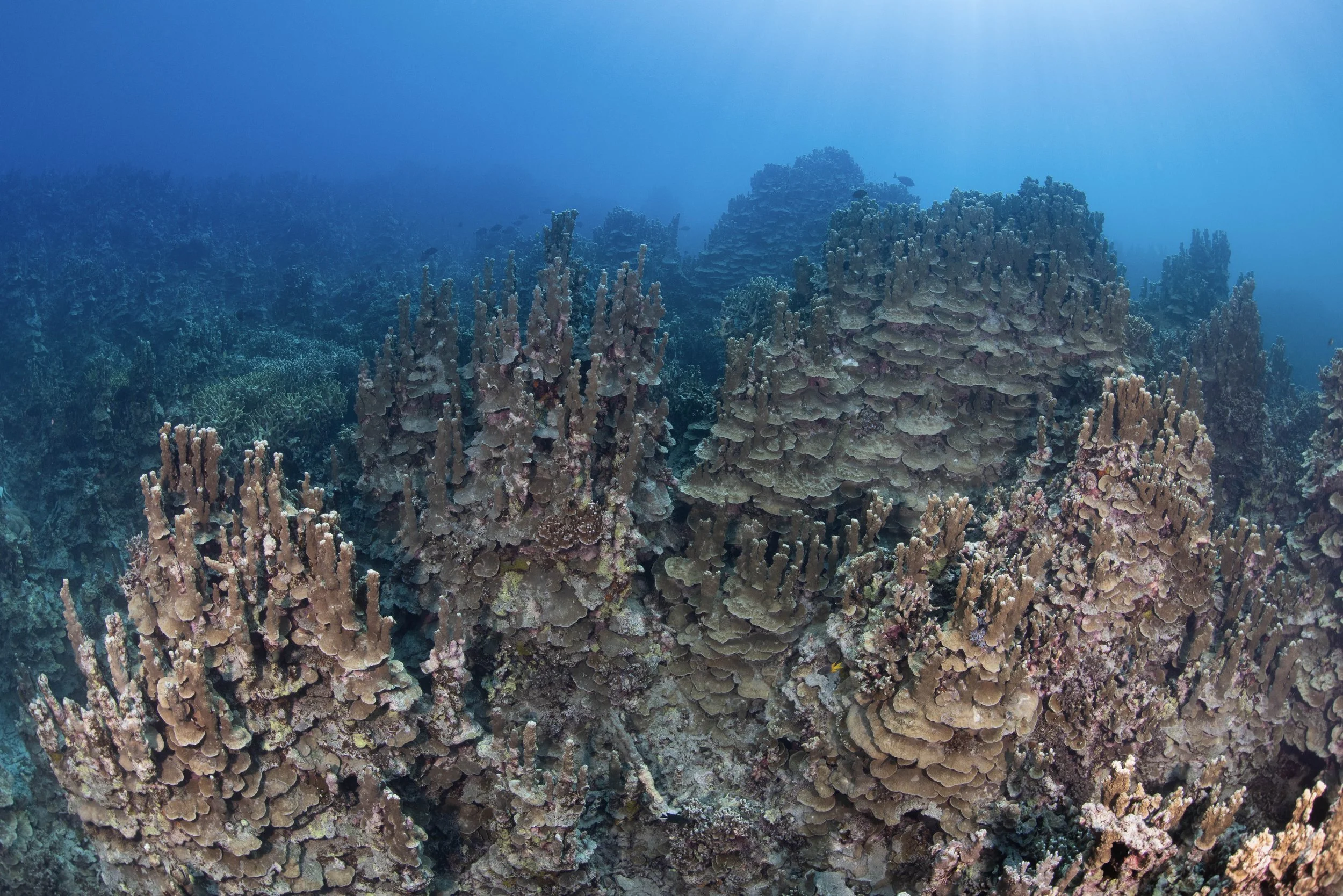
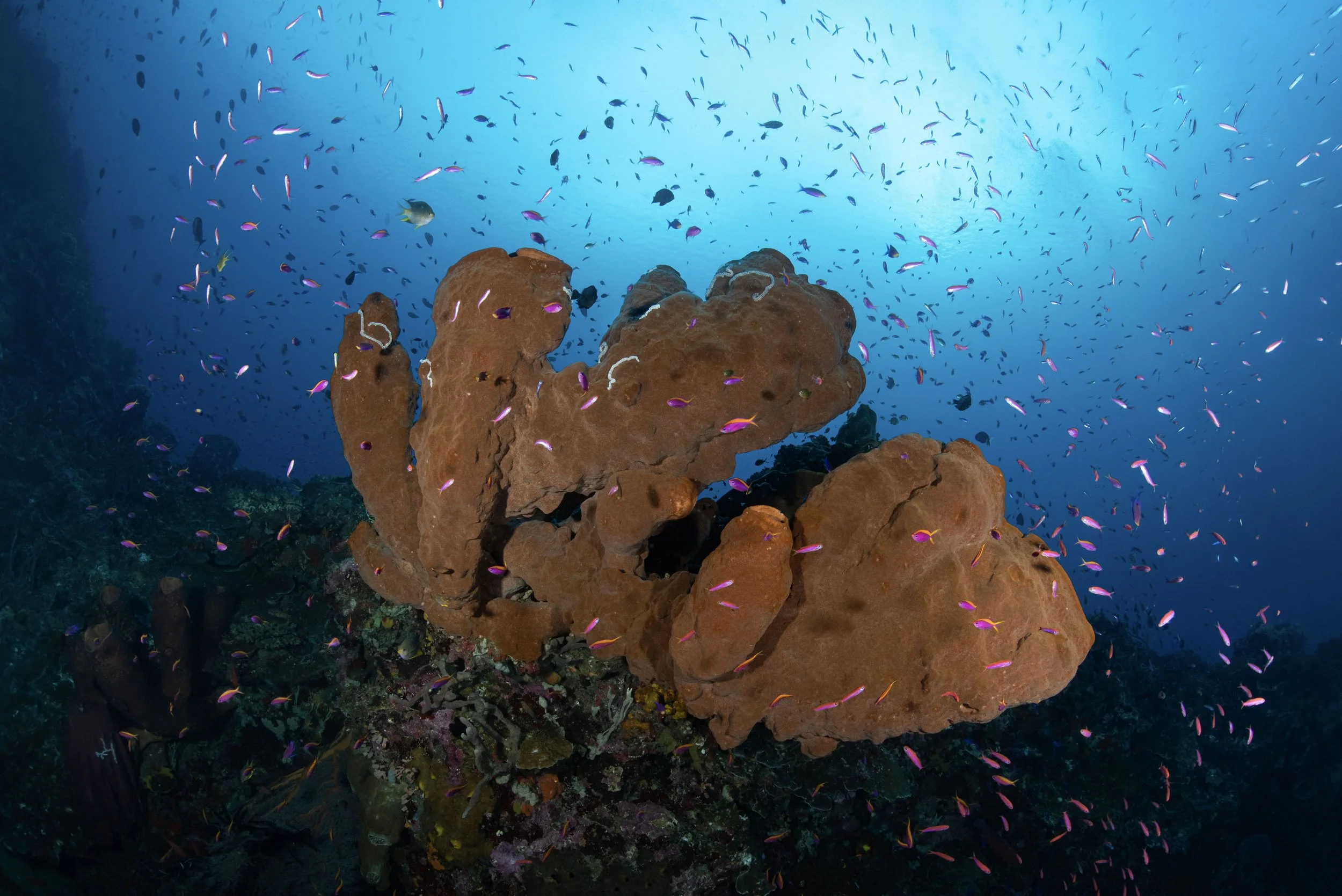
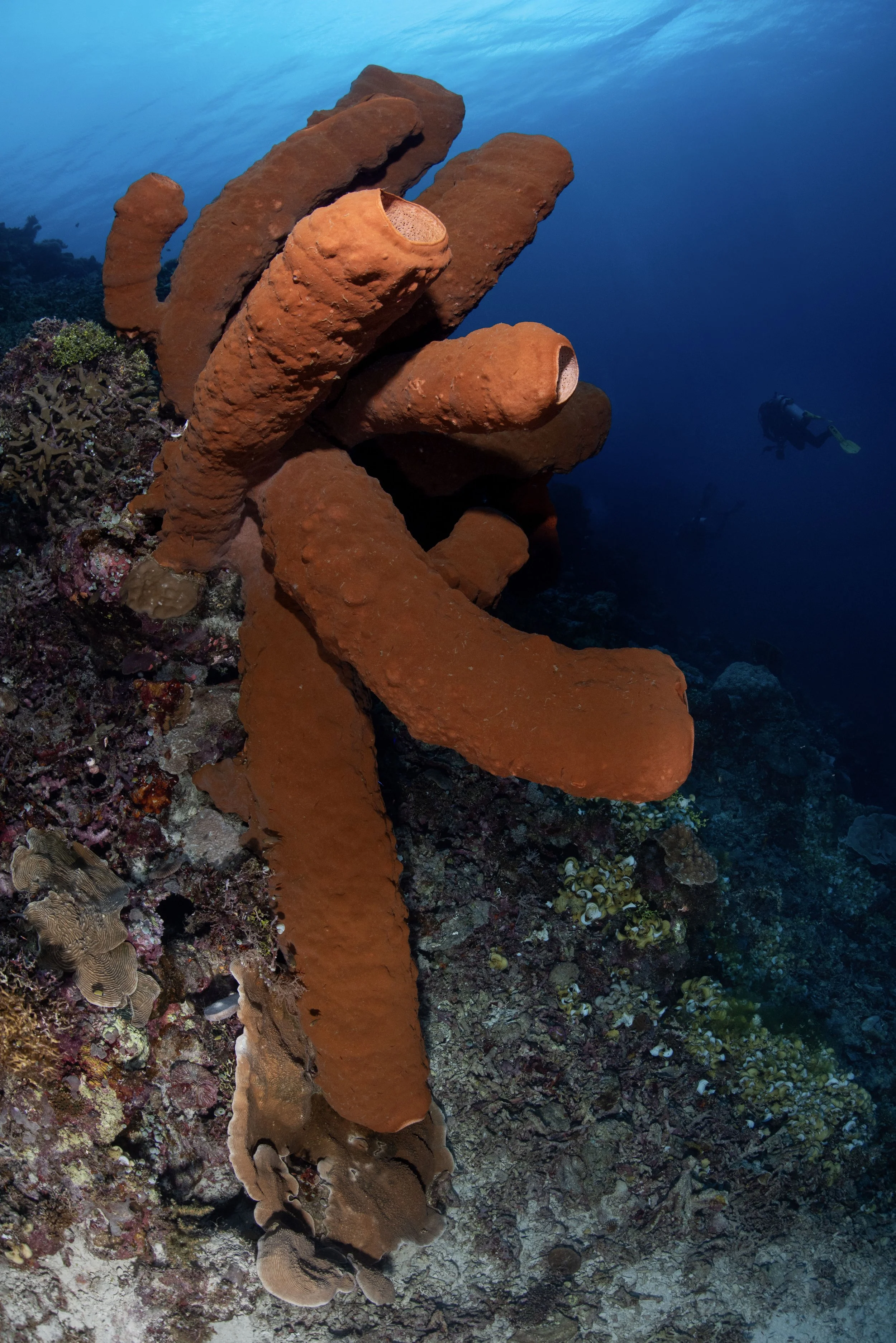
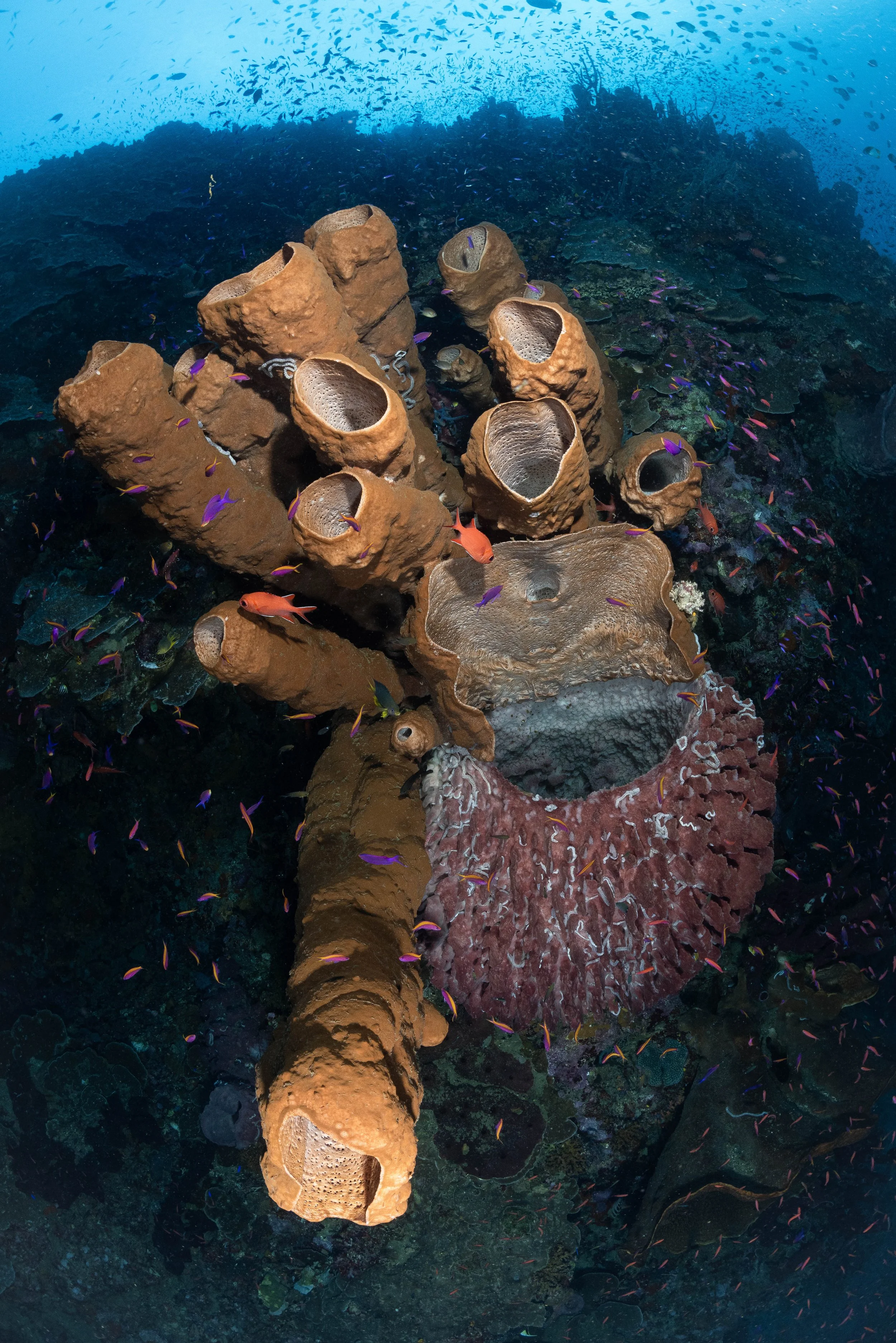
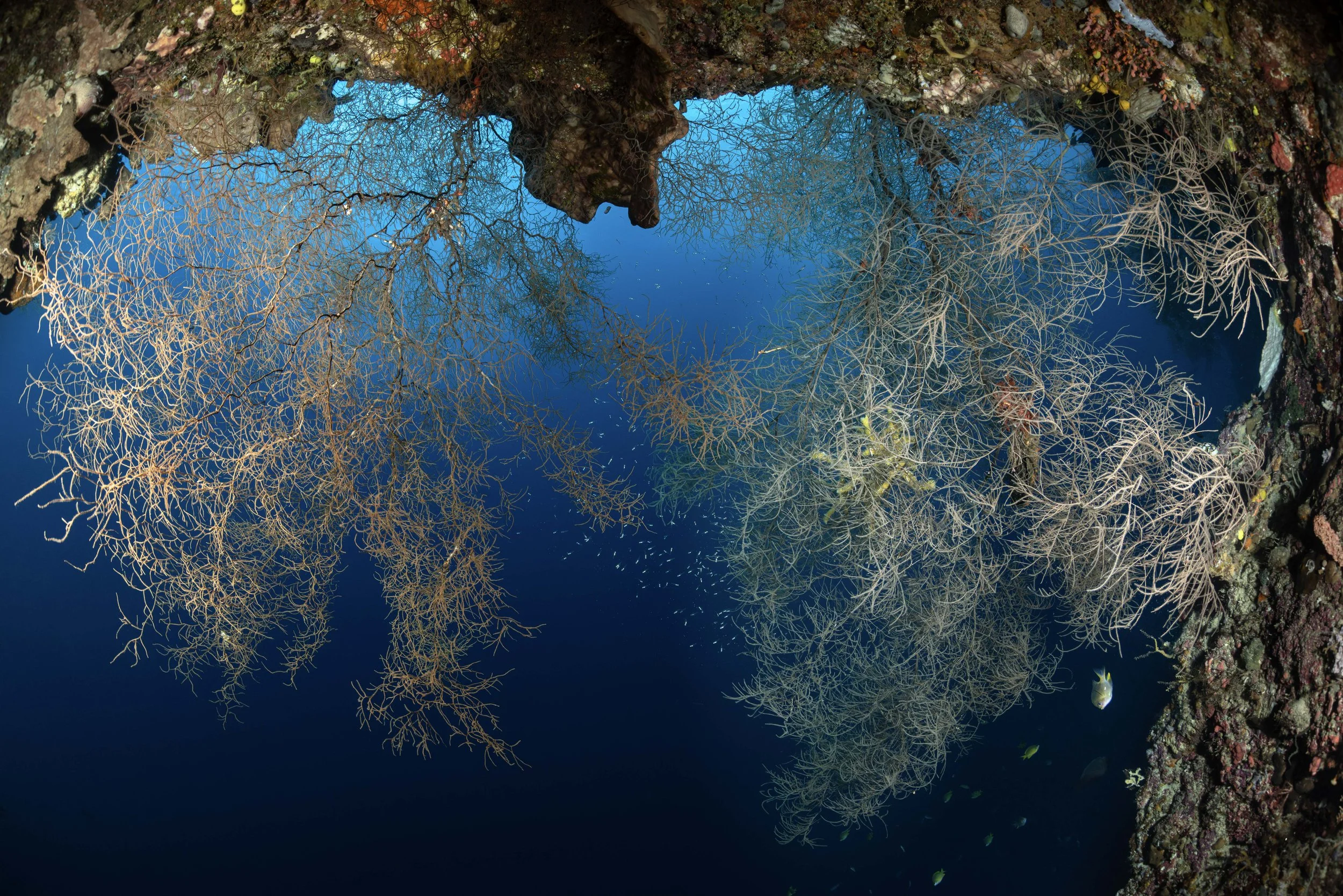
The solitary volcanic island of Una-Una anchors the western reach of the archipelago and provides the Togians' most dramatic topography. The cone erupted catastrophically in 1983, forcing the complete evacuation of the island's population. Today, the submerged lava flows have been colonised by dense, otherworldly coral growth — enormous plate corals, barrel sponges of surpassing size, and thick gorgonian fans draped across lava shelves at depth. It is where you find the Black Forest dive site, a place of such stark, unusual beauty that it has earned a reputation reaching far beyond the archipelago. It takes its name from the extraordinarily massive, 5 meters tall hard coral structures that resemble a forest of snowy pine trees creating a forest of gothic scale and atmosphere.
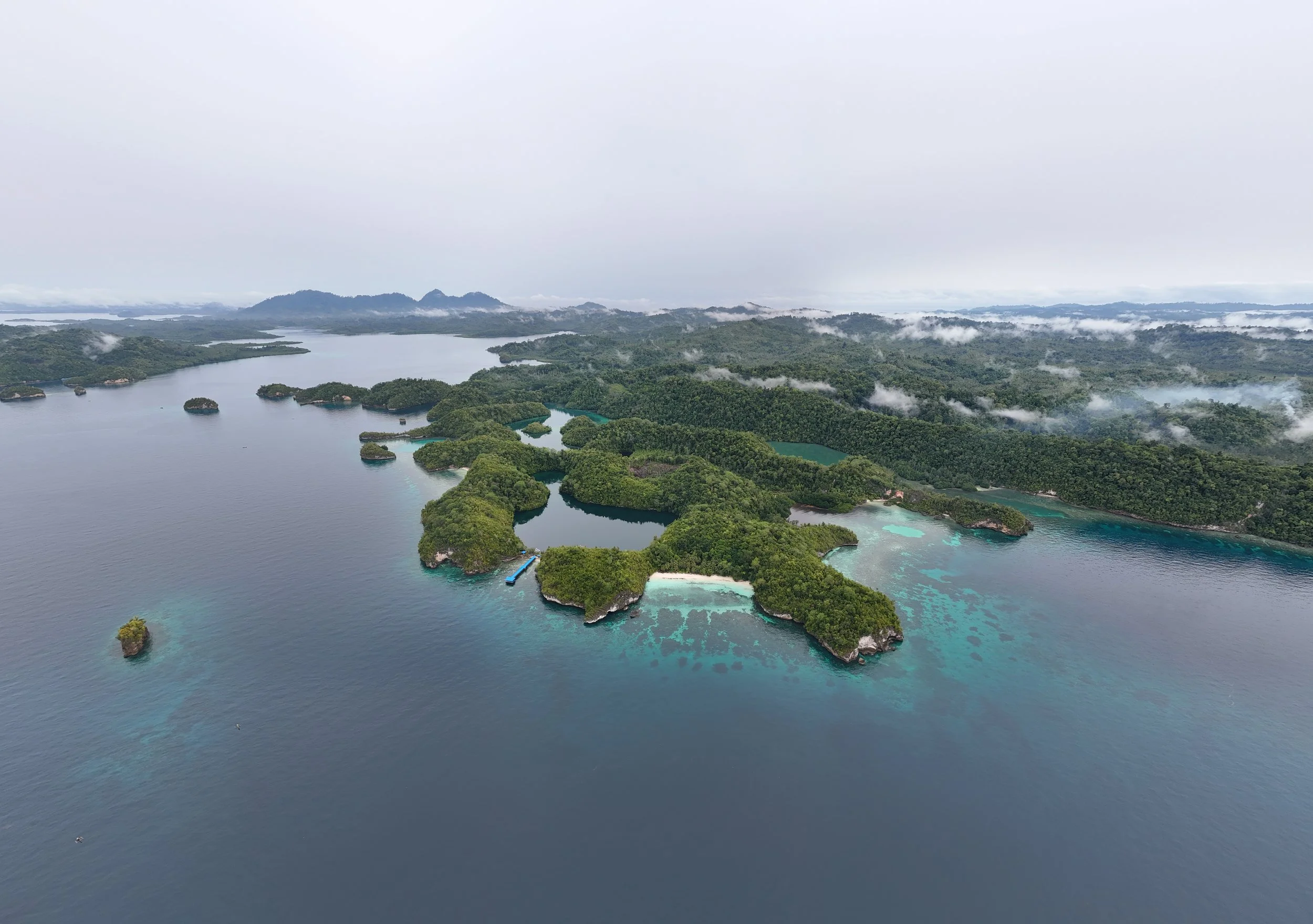
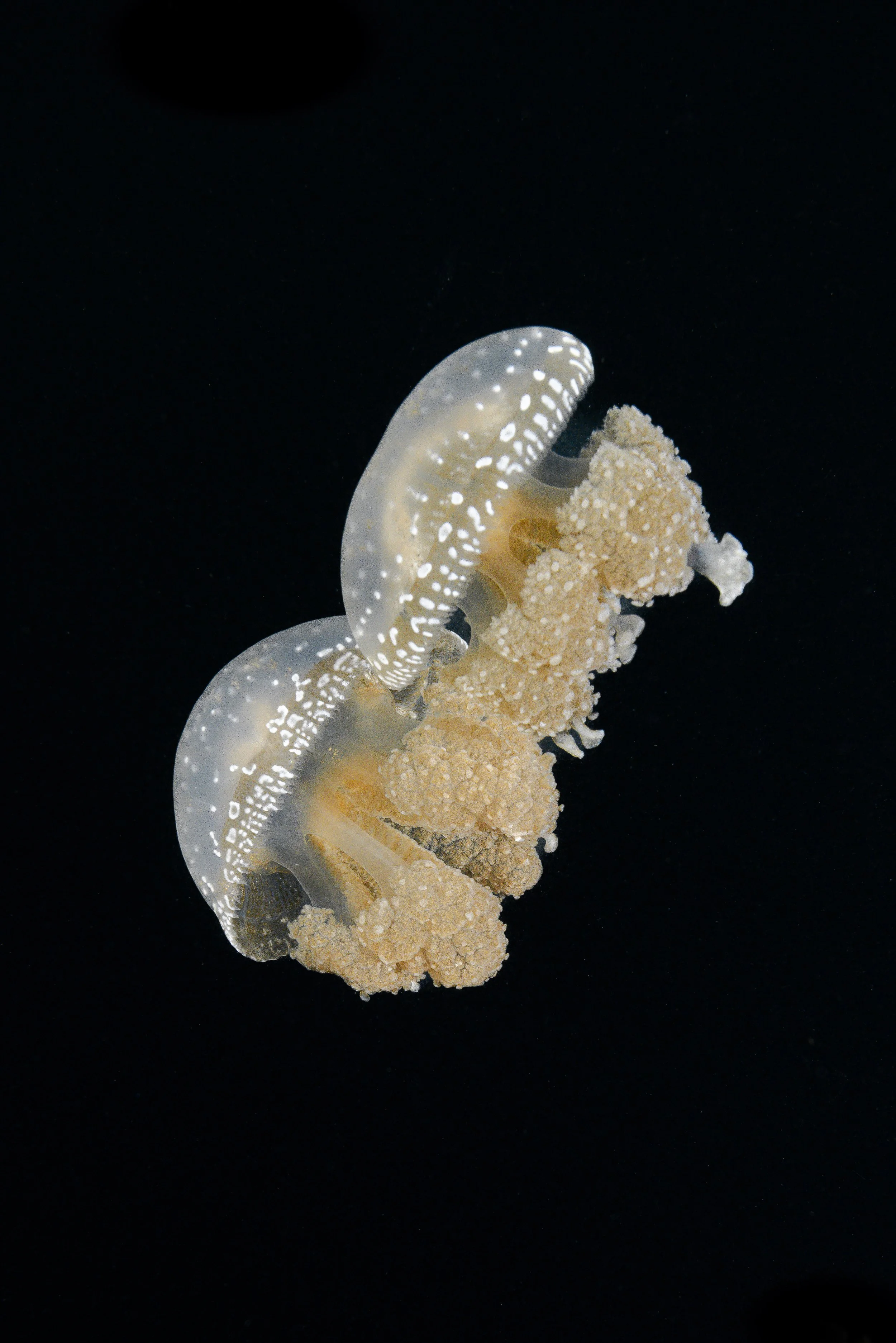
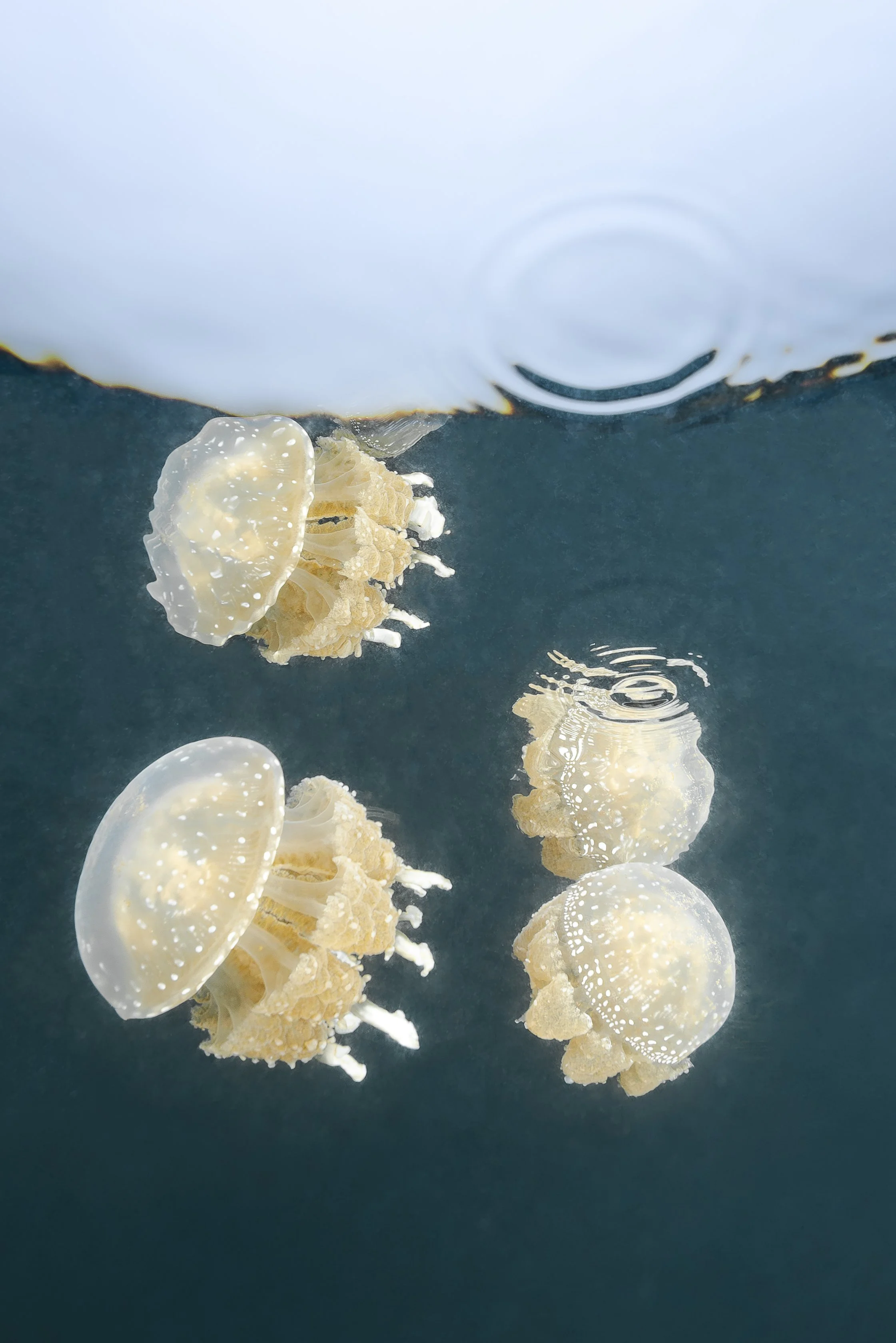
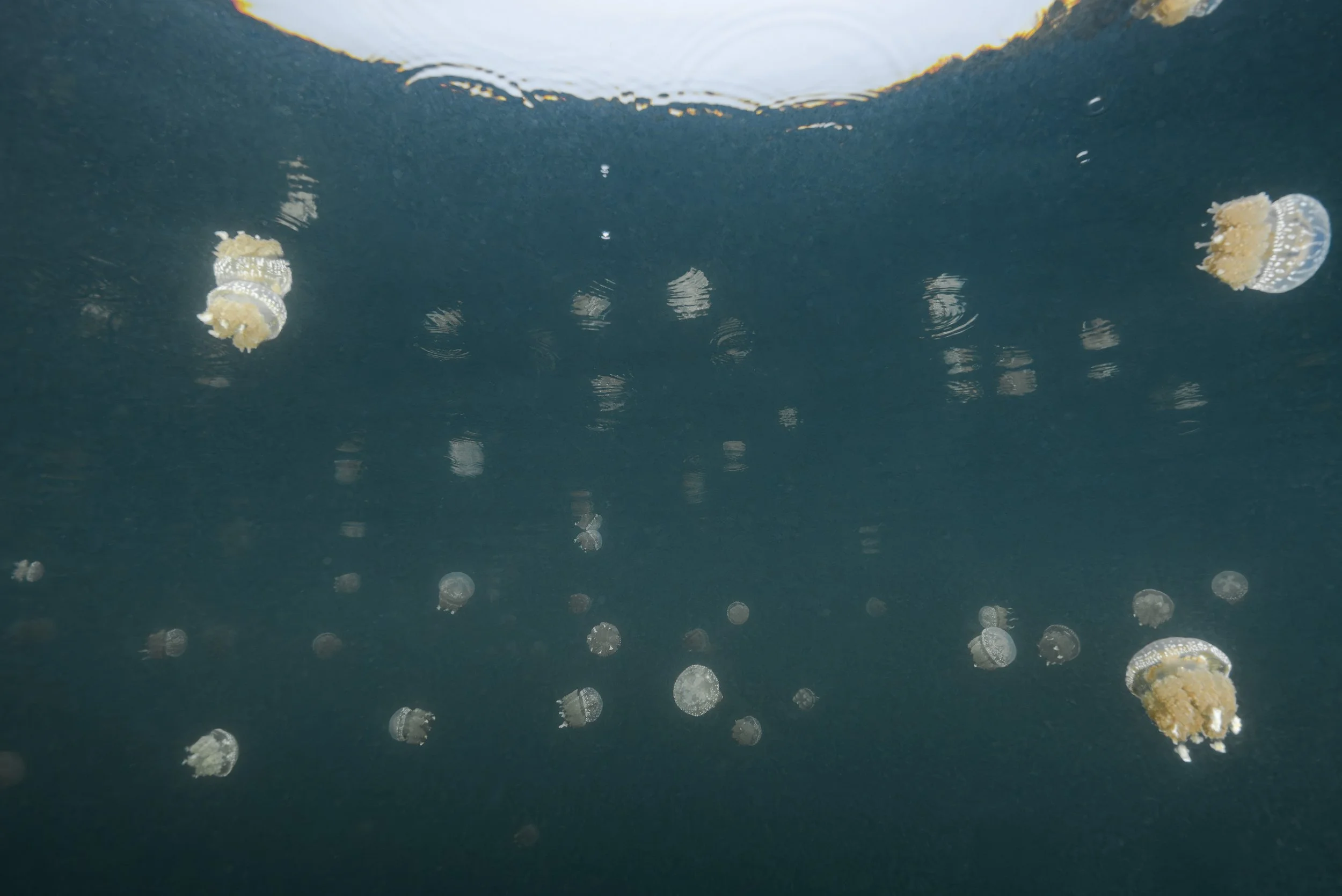
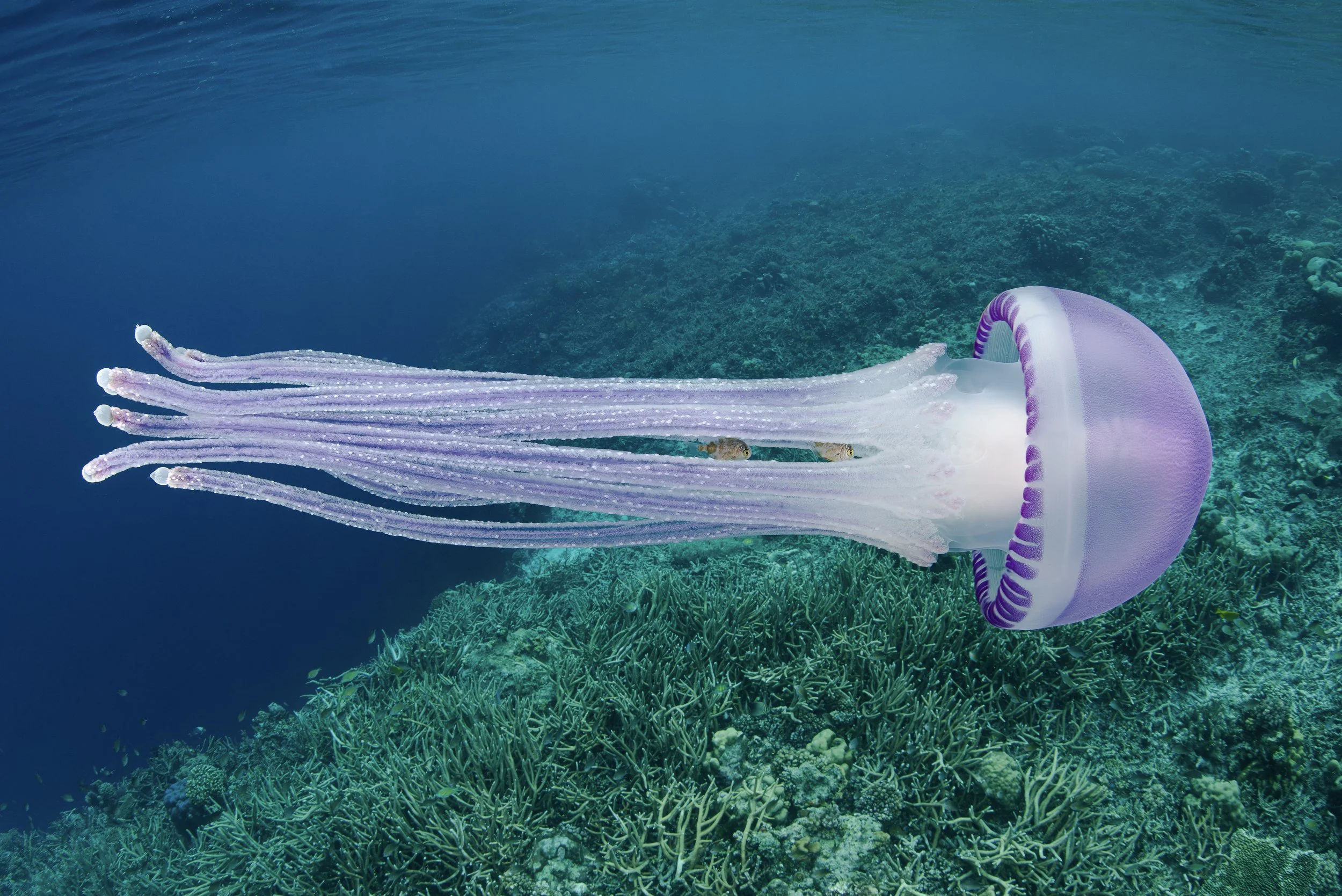
Danau Ubur-Ubur — Jellyfish Lake — is one of the Togian Islands' most surreal and singular experiences, and one that requires no dive certification whatsoever: it is explored entirely by snorkelling. Situated in the interior of one of the larger Togian islands (see photo on the right), the lake is a marine lake connected to the sea only through submerged fissures and tunnels in the limestone karst, which create a semi-isolated ecosystem of remarkable evolutionary character.
The lake is home to millions of golden jellyfish — Mastigias papua — that have evolved in isolation over thousands of years. Cut off from natural predators, they have progressively lost the capacity to sting. They now drift through the water in translucent golden and orange clouds, harvesting the sunlight through symbiotic algae living within their tissues, completing a daily migration across the lake that follows the path of the sun. Swimming among them is one of the most dreamlike experiences in all of tropical diving.
The Togian islands can be dived from Liveaboard dive boats that infrequently offer trips to the area. Otherwise it requires flights to Manado and then to Gorontalo and from there a ferry crossing to the Togians. The are a number of resorts with dive operations available. Inter island transport is possible but requires planning and patience.